|
What does matcha taste like, in short? Matcha tastes smooth and umami-rich, balanced by a grassy sweetness, gentle floral notes and a slightly bitter finish. Good ceremonial-grade matcha should feel rounded and creamy rather than harsh. If it tastes flat or overly bitter, that's usually a sign of lower quality or older stock rather than matcha's true flavour. |
What Is Matcha and What Does It Taste Like?
When whisked with water, matcha transforms into a vibrant, fragrant green tea with a smooth texture. It offers an umami flavour, balanced by a complex, grassy sweetness and a lasting, slightly bitter aftertaste. This distinctive taste is a result of the process used to create matcha: shading, hand-picking, and stone-milling the leaves to produce a fine, vibrant green powder.
Beyond its flavour, our Organic Matcha Ceremonial Grade is celebrated for its high levels of L-theanine and caffeine, you can read more about how matcha compares to other caffeinated teas in our matcha caffeine guide. Together, these compounds help create a state of calm focus, a quality that Buddhist monks historically used to enhance their long meditation sessions. Matcha is not just a drink, it's an experience: vibrant, fresh, and bursting with floral aromas, a thick creamy texture, and a perfect balance of sweetness and deep umami.
Matcha Taste and Quality: What To Look For
Not all matcha tastes the same, grade, freshness and origin all shape the flavour in your cup. Here's what to look for:
Grades
Matcha comes in various grades, from ceremonial to latte grade and culinary grade. If you're new to matcha, we recommend starting with ceremonial grades, as these typically offer the highest quality and the most authentic matcha experience. Read our full ceremonial vs culinary matcha guide for more on how grade affects taste.
Colour
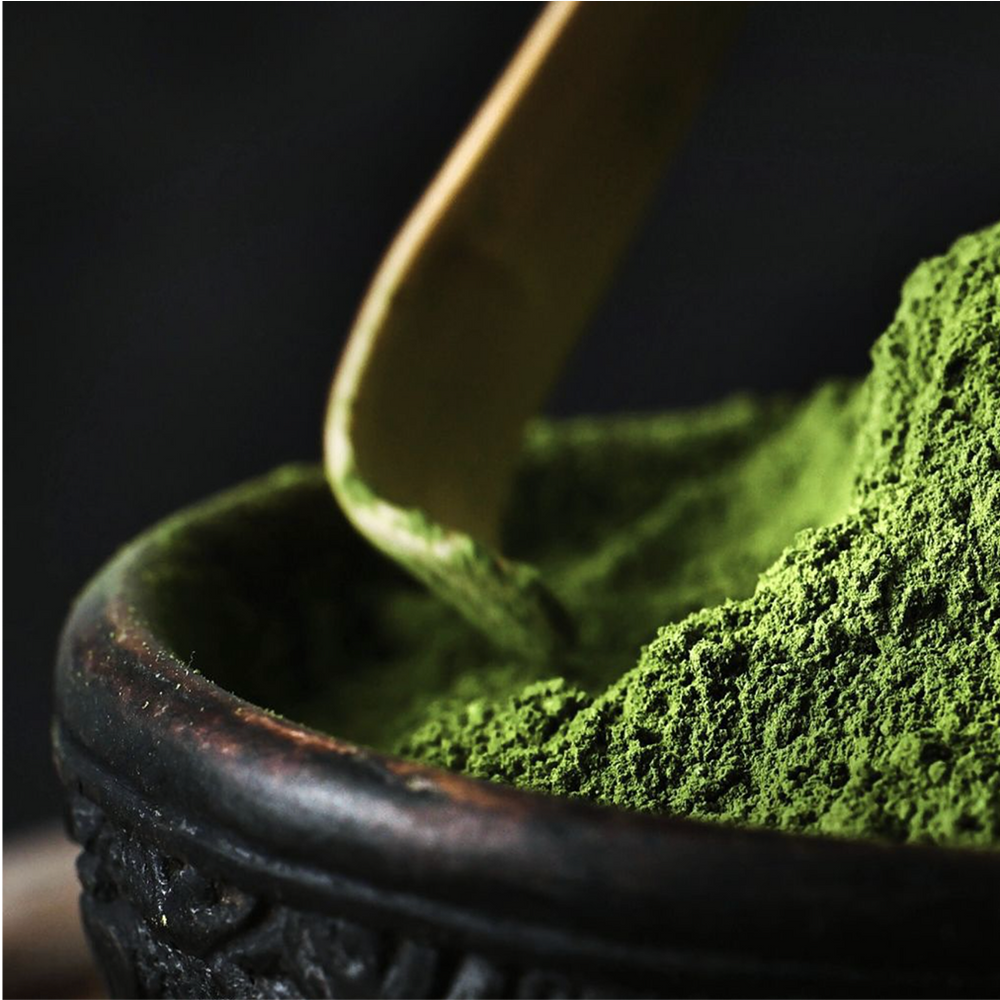
Matcha's colour is indicative of its quality and freshness. The best matcha should be a vivid green, almost luminous, and very bright. Watch out for any matcha that has gone stale yellow or even oxidised brown, as these are signs it will not taste good at all.
Texture
The texture of matcha is another key quality indicator. The finest matcha is stone-milled over several hours until it reaches an ultra-fine consistency. This fine texture ensures a smooth, velvety mouthfeel when the matcha is whisked into water.
Origin
The best matcha comes from Japan, particularly regions known for their tea cultivation. The origin and cultivar of matcha can greatly influence its flavour profile. For example, our JING Organic Matcha is produced in Kirishima, located in the far south of Japan on Kyushu Island. Grown at an altitude of 450 metres and nourished by the fertile soils surrounding the Sakurajima volcano, this matcha is made from the Okumidori cultivar, known for its high floral notes and deep, vegetal umami.
Organic
Given that matcha involves consuming the entire tea leaf in powdered form, opting for organic matcha is crucial. Organic matcha ensures that your tea is grown without the use of synthetic pesticides, offering a purer, more natural flavour. However, finding high-quality organic matcha can be challenging due to the high levels of pesticide use in Japan's tea-growing regions. We recommend seeking out matcha that is both delicious and certified organic for the best experience.
What Flavour Is Matcha? Where the Taste Comes From
Although matcha is now predominantly crafted in Japan, its origins trace back to China. In the 8th century, the Chinese produced steamed green tea that was pressed into bricks for storage. When ready to drink, the tea was powdered and whisked into a bowl, much like modern matcha. The Japanese refined this process over time, creating the vibrant matcha we enjoy today. You can read more about how it compares to standard green tea in our green tea vs matcha guide.
Each spring, tea leaves are carefully shaded, hand-picked, and stone-milled to produce matcha. The shading process, which involves covering the tea bushes with a dark canopy for about a month before harvest, is crucial. It blocks sunlight, encouraging the leaves to produce more chlorophyll and umami-rich amino acids, which contribute to matcha's deep, rich flavour and vibrant green colour.
Once harvested, the leaves are steamed to preserve their fresh, green state and prevent oxidation. The result is a finely ground powder with a smooth texture and a flavour that is both complex and satisfying. For a closer look at how the leaf itself is transformed into powder, see our guide to what matcha tea powder actually is.
Tools To Make Matcha Tea
To prepare matcha, you'll need a few essential tools, available in various forms from our matcha accessories collection:
-
Matcha Shaker: for a quick and easy preparation.
-
Handmade Ceremonial Matcha Bowl: for a traditional matcha experience.
-
Bamboo Chasen Matcha Whisk: essential for whisking matcha to the perfect consistency.
-
Modern Matcha Gift Set: a complete kit for the matcha enthusiast.
Whether you choose to prepare your matcha the traditional way with a whisk and bowl, or prefer the convenience of a modern shaker, the right tools will help you enjoy the full flavour and experience of matcha. If you're curious how a whisked bowl compares to a milk-based matcha latte, our matcha latte vs traditional matcha guide breaks down the taste difference.
FAQs: Matcha Taste
Is matcha bitter or sweet?
Good quality matcha is both. A savoury, umami-forward sweetness up front, with a light, clean bitterness on the finish. If a matcha tastes only bitter with no sweetness, that's usually down to lower grade, over-whisking, or water that's too hot.
Does matcha taste like green tea?
Matcha and green tea come from the same plant, but taste noticeably different. Because you consume the whole leaf in powdered form rather than an infusion, matcha is thicker, creamier and more intensely umami than a standard green tea.
Does matcha taste like coffee?
Not really in flavour, though the two share an energising, alert feeling thanks to caffeine paired with L-theanine. Matcha's taste is closer to a rich, grassy green tea than anything roasted or bitter like coffee.
What does bad or low-quality matcha taste like?
Low-quality or stale matcha tends to taste flat, dusty or overly bitter, often with a dull, yellow-green rather than vivid colour. Freshness, grade and origin all play a part, see our notes on grade and origin above.
Start Your Matcha Journey With JING
Explore the vibrant world of matcha, and discover a tea that is as rich in history as it is in flavour. Whether you're seeking calm focus or a new culinary adventure, our matcha collection and matcha accessories offer a unique and rewarding experience.