The Different Types of Organic Teas
For many people, “organic tea” sounds like a single, virtuous category on the shelf – a label you either have or you don’t. In reality, it’s something far more interesting. Organic tea is not a flavour profile or a style of tea; it’s a way of growing. It refers to leaves cultivated without synthetic pesticides, herbicides or fertilisers – and from there it can become almost anything: a vivid green tea, a rich black tea, a delicate white, an oolong full of florals, a caffeine‑free herbal infusion or a bowl of deep green matcha.
That distinction matters. “Organic” tells you about how the tea was farmed. “Green”, “black”, “white”, “oolong”, “herbal” and “matcha” tell you how those leaves were processed, how they will taste in the cup and how you might choose to drink them.
This guide steps through the main types of organic tea, how they are made, how they taste and how to choose the right one for your mood and routine. Think of it as a map: once you understand the landscape, it becomes much easier to find the tea that feels made for you.
What Makes a Tea Organic?
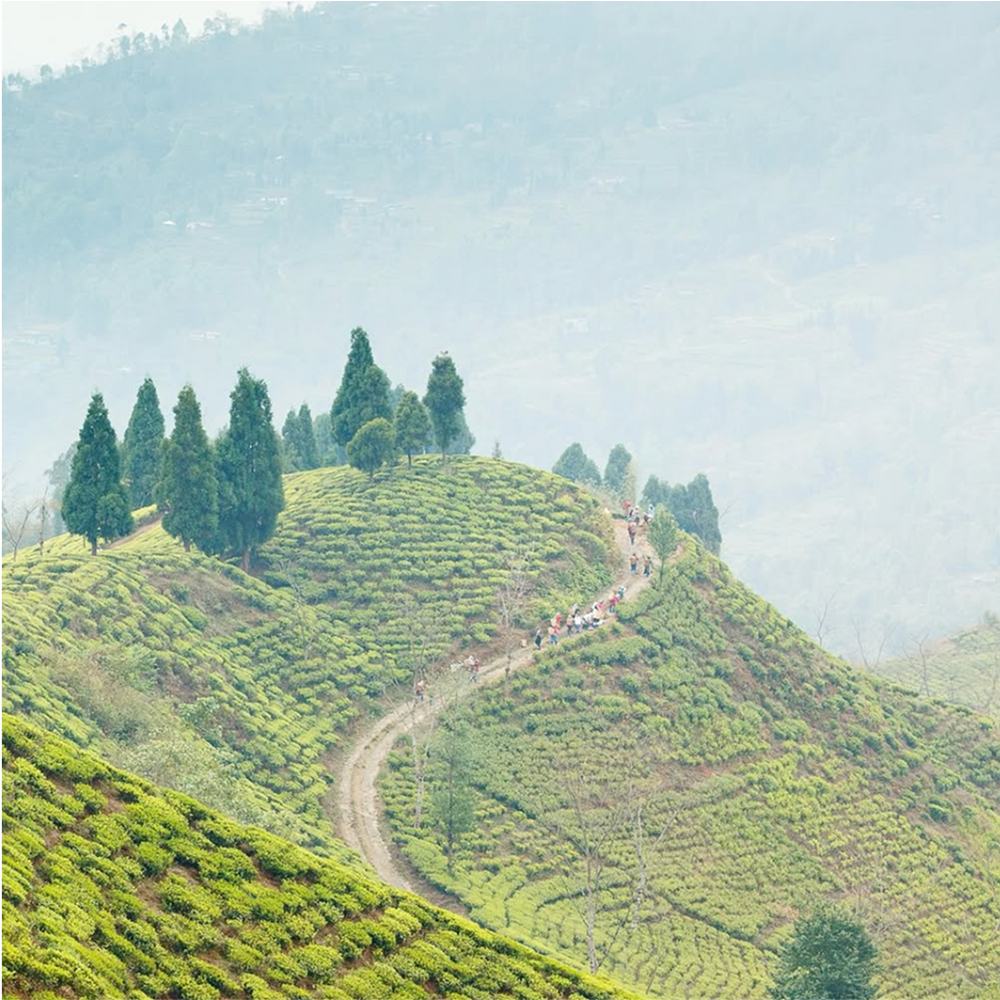
In tea, “organic” starts in the garden. It means the plants are grown without synthetic pesticides, herbicides or fertilisers, and with a much closer attention to the health of the soil and the surrounding ecosystem. Instead of quick chemical fixes, growers work with nature: richer, more living soils, shade trees, beneficial insects and biodiversity that helps keep the garden in balance.
Across different countries, organic certification is governed by strict standards and regular inspections. Farmers who choose to certify commit not only to avoiding synthetic inputs, but also to detailed record‑keeping and traceability. For many, especially small family gardens, that level of administration and cost can be a significant burden.
That’s why some of the most remarkable teas in the world are grown according to organic principles but are not formally certified. The producers care deeply about the land, their families and their craft; they farm with restraint and respect, but prefer to invest in people and plants rather than paperwork. At JING we pay attention to both: where certification is in place it gives another layer of reassurance, but we also look closely at farming methods, relationships and what we taste in the cup.
People seek out organic tea for different reasons. Some are drawn by the environmental impact – gardens that support biodiversity rather than eroding it. Others prefer the idea of a “cleaner” product, especially as tea is one of the only drinks where you infuse the actual leaf in hot water and drink what it releases. Many simply find that producers who make the effort to farm organically are also the sort of people who value quality, provenance and flavour.
Organic Tea Types at a Glance
When you start exploring organic tea, it helps to think in types. Each one has its own style of processing, its own flavour world and its own ideal moment in the day.
Organic Green Tea
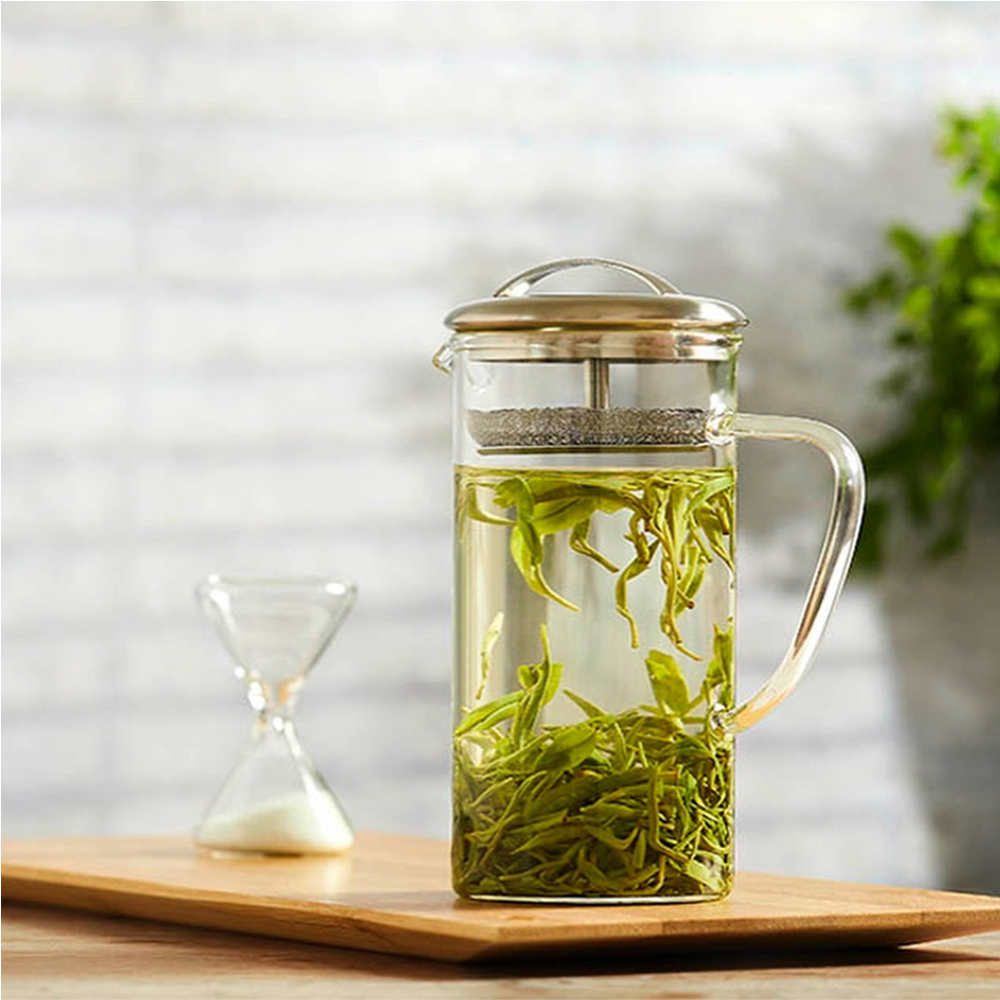
Green tea begins with the same plant as black tea, but the handling is very different. As soon as the young leaves are picked, the producer prevents them from oxidising – usually by heating them briefly in a hot pan or with steam. This gentle step fixes the leaf in a vivid spring‑green state, preserving the natural freshness and vibrancy of the plant.
In the cup that translates into flavours that can range from sweet, blanched spinach and fresh peas, to toasted nori, to a soft hint of chestnut. The body is lighter than black tea, the colour often a clear jade or pale gold, and the mouthfeel silky and refreshing rather than thick or tannic.
Organic green tea is one of the most popular organic categories globally, and with good reason. It’s the kind of tea that feels at home in clean, bright moments: a calm start to the morning; a focused pause in the late morning; a gentle reset in the early afternoon.
To get the best from it, treat it more like a fine white wine than boiling water from the kettle. Use slightly cooler water – around 70–80°C – and shorter infusions of one to three minutes, depending on the leaf and your taste. Too hot or too long and even the finest organic green tea can become bitter; infused with care it stays sweet, savoury and incredibly moreish.
Organic Black Tea
Black tea is what happens when tea leaves are allowed – even encouraged – to change. After picking, the leaves are left to wither, rolled to bruise their surfaces and then rested while they slowly oxidise. During this time their colour deepens from green to coppery brown; the aromas shift from fresh and grassy into something much richer.
In the cup, organic black tea can be gloriously bold and malty – think Assam at dawn – or layered with notes of dried fruit, honey and spice, depending on the origin and style. It has more body and intensity than green tea, less of the bright vegetal freshness, and often a satisfying structure that stands up beautifully to food.
For many, this is the archetypal morning tea: a strong, reassuring start to the day. Some organic black teas are best enjoyed neat, to appreciate their detail and perfume; others are made to carry milk without losing their personality. Either way, they reward a little attention. Use freshly boiled water, and start with a three to four minute infusion, tasting as you go until you find your ideal balance of richness and clarity.
Organic Herbal Tea
Herbal “tea” is technically something else entirely. Rather than the leaves of the Camellia sinensis plant – the source of green, black, white and oolong teas – herbal infusions are made from herbs, flowers, fruits or spices: peppermint, chamomile, lemongrass, rooibos, rosehips, ginger, and countless combinations.
The organic story is similar, though. When herbs are grown without synthetic chemicals, in fields managed for biodiversity rather than monoculture, the result can be strikingly vivid. A peppermint that floods the palate with coolness; a chamomile that tastes like wildflower honey; a lemongrass that is bright, almost citrusy.
Most organic herbal teas are naturally caffeine‑free, which makes them ideal late in the day: a calming, aromatic way to slow down in the evening, a gentle alternative to a nightcap, or simply a way to enjoy a warming drink without the lift of traditional tea. There is no single flavour profile here – herbal tea can be floral, fruity, earthy, spicy, or all of the above – which makes it a playful space to explore.
Organic Loose-Leaf Tea vs Tea Bags
Another common question is whether “organic loose‑leaf tea” is a different type again. In reality, loose leaf and tea bags describe format rather than flavour or farming.
Any tea – green, black, oolong, white or herbal – can be organic, and any of those organic teas can be presented as loose leaves or in a bag. The difference is what that format allows.
Loose‑leaf organic tea tends to use larger, more intact leaves. When those leaves unfurl in hot water, they create space between them, allowing the water to flow, extract and carry a fuller range of aromatics. The result is usually a clearer liquor, a more complex aroma and a texture that feels more refined.
Tea bags, even when filled with good organic tea, are limited by their size. Many rely on smaller leaf particles to infuse quickly in a confined space. That can be convenient; but if you’re looking for the most expressive version of an organic tea – one that really tells you where it comes from – whole leaves in a pot, gaiwan or infuser are often the best route.
At JING we lean towards whole leaves precisely because they showcase origin and craftsmanship so clearly. When a tea has been grown with such care, it feels only right to let it shine.
Organic Matcha Green Tea
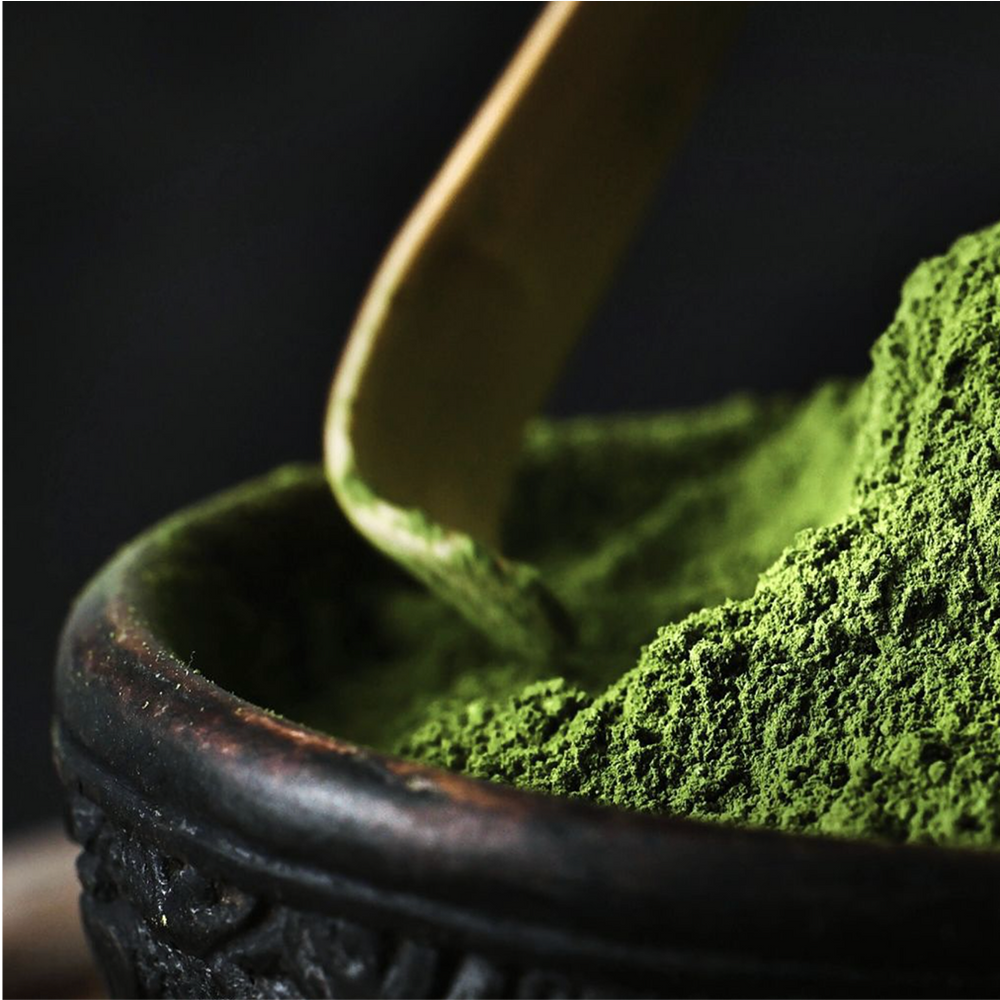
Matcha sits slightly apart from other green teas, even though it comes from the same plant. For matcha, the tea bushes are shaded in the weeks before harvest, which encourages the leaves to produce more chlorophyll and amino acids. After picking, the leaves are steamed, dried, and slowly stone‑ground into an ultra‑fine, vivid green powder.
Rather than infusing the leaves and then removing them, as you would with loose tea, matcha is whisked into hot water and drunk whole. You are consuming the entire leaf in suspension, which makes it a very direct, intense experience.
In flavour, a good organic matcha is full of umami – that savoury depth you might know from kombu or parmesan – balanced by a subtle sweetness and a clean, verdant character. In texture, it can feel almost creamy, especially when prepared in the traditional way with a bamboo whisk.
Matcha also brings a different ritual. There is a small ceremony in measuring the powder, warming the bowl, and whisking until a fine foam appears on the surface. It suits those moments when you want to slow down and pay attention: a quiet morning on your own, or a considered pause in the afternoon.
How to Choose the Right Organic Tea
Once you understand how broad the world of organic tea really is, the question shifts from “Should I choose organic?” to “Which organic tea fits my life?”
A simple way to decide is to start with taste:
- If you enjoy fresh, green flavours – think steamed greens, young nuts, sea breeze – organic green tea or lightly oxidised oolong will feel natural.
- If you’re drawn to richer, deeper, malty notes, an organic black tea from a region like Assam or Yunnan is likely to satisfy.
- If you love floral or aromatic profiles, some high‑mountain oolongs, white teas and herbal blends can be beautifully perfumed.
- If you prefer caffeine‑free but still want character, organic herbal infusions are the place to explore.
Then consider caffeine and timing. Morning is where organic black teas and matcha come into their own, offering more lift and presence. Mid‑morning to late afternoon is a good time for green and oolong teas, which refresh without feeling heavy. Evenings lend themselves to herbal infusions, or very gentle low‑caffeine styles if you find they suit you.
Finally, think about infusing style. If you want something quick and unfussy, an organic loose leaf infused western‑style in a pot will give you a beautiful cup with minimal ritual. If you’re drawn to more meditative preparation – measuring, timing, multiple infusions – then high‑grade green, oolong and matcha teas reveal more and more with each careful step.
Why Source and Origin Matter in Organic Tea
Organic certification tells you something important about how a tea was grown, but it is not the whole story. A certified tea can still be ordinary if it’s picked at the wrong time, over‑processed, or blended from many anonymous gardens. Conversely, a tea from a small, high‑mountain garden, grown in rich living soil and crafted by a skilful producer, can taste extraordinary – whether or not there’s a logo on the packet.
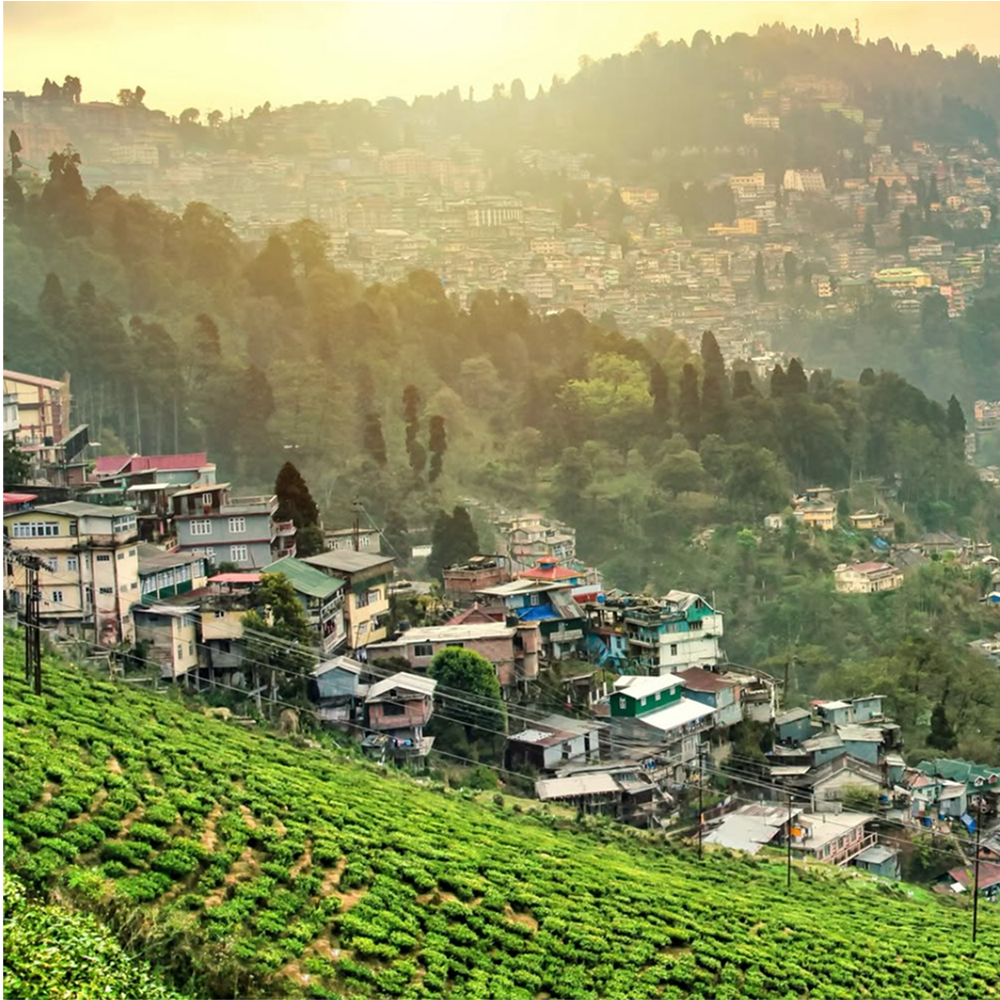
When we look for organic teas at JING, we start with origin. Which region are the leaves from? What is the altitude, the climate, the soil like underfoot? We look at the garden itself: Is it surrounded by forest or monoculture? Are there birds in the trees, insects in the air, signs of a balanced ecosystem?
Then we look at the producer. How long have they been making tea? What decisions do they make at harvest – when to pluck, how many leaves to take, how to handle the weather? We taste across seasons to understand how they respond to change, and how consistent their craft really is.
Harvest timing is critical. The same organic bushes can produce very different teas in early spring, late spring and summer. Processing is equally decisive: the way a tea is fired, rolled, oxidised or dried can either reveal the character of the garden or flatten it.
That is why we talk about single gardens and provenance as much as we talk about organic methods. Certification is a useful starting point; origin, craft and relationship are what turn a good organic tea into something unforgettable.
Discover the JING Organic Collection
For two decades JING has been travelling to tea’s most remarkable places, building relationships with producers and bringing back single garden teas that taste unmistakably of where they come from. Within that gallery of flavours is a growing collection of organic teas that reflect both careful farming and exceptional craft.
Across green, black, herbal and matcha styles, you will find organic teas that feel clean and precise in the cup, that tell you a story of soil, weather and skill with every sip. Some are certified, others are farmed organically in all but name; all have been chosen for the clarity of their flavour and the integrity of their origin.
If you are new to organic tea, you might begin with a bright organic green tea for the morning and a caffeine‑free herbal infusion for the evening, or a rich organic black tea that can anchor your breakfast ritual. As you explore, you’ll find that “organic” isn’t a destination but a starting point – a way into a world of taste where farming, flavour and feeling are all part of the same experience.
To taste JING is to realise you have never really tasted tea before. Organic tea simply gives you one more way to begin that journey.