What is Organic Tea?
In a world where “organic” appears everywhere from fruit to skincare, tea drinkers are beginning to ask a simple question: what does it really mean in the cup? When you choose organic tea, are you choosing a different type of tea, a healthier drink, or simply a different way of farming?
At its core, organic tea is defined not by how it tastes but by how it is grown. It comes from gardens where the tea plants are cultivated without synthetic pesticides, herbicides or fertilisers, and where growers work with the rhythms of nature rather than against them.
For modern tea drinkers this matters for several reasons. It touches on wellbeing and what we choose to put into our bodies, on the impact agriculture has on landscapes we may never see, and on the relationship between careful farming and the purity of flavour in the cup.
Organic tea sits at the intersection of agriculture, craftsmanship and taste. This guide will explore what “organic” means in tea, how organic teas are grown and produced, what benefits they can offer, and how to choose high‑quality organic loose leaf teas that live up to their promise.
What Does “Organic” Mean in Tea?
In the context of tea farming, “organic” is a specific commitment. It means the producer has chosen to grow tea without synthetic pesticides and herbicides, relying instead on natural methods to keep plants healthy and pests under control. Fertility comes from composts, green manures and careful soil management rather than chemical fertilisers. The goal is ecological balance: living soils, resilient plants, and a garden that supports insects, birds and wildlife rather than excluding them.
Organic certification exists to formalise those practices. Regulatory bodies set standards that cover everything from which inputs are allowed, to how fields are managed, to how records are kept. Independent inspectors visit gardens and factories to check compliance, and only then can a tea be sold as certified organic in that region.
The specifics vary between, say, UK/EU standards and those in China, Japan or India, but the principles are remarkably consistent: no synthetic chemicals, strong emphasis on soil and ecosystem health, and a traceable chain from field to finished tea.
It’s important to clear up a common misconception: organic does not automatically mean better flavour. A certified organic tea that is machine‑harvested at the wrong time and bulk‑processed for volume can taste flat; a non‑certified tea from a tiny mountain garden can taste extraordinary if it’s farmed sensitively and crafted with skill.
Equally, “organic” refers only to the way the tea is grown. It doesn’t tell you whether the tea is green or black, oolong or white, loose leaf or powdered. Those are questions of processing and style.
Think of organic status as one indicator of quality in a broader picture – a sign that the producer is thinking about how they work with the land. To understand how a tea will taste and whether it truly stands apart, you also need to consider origin, harvest season and craftsmanship.
How Organic Tea Is Grown and Produced
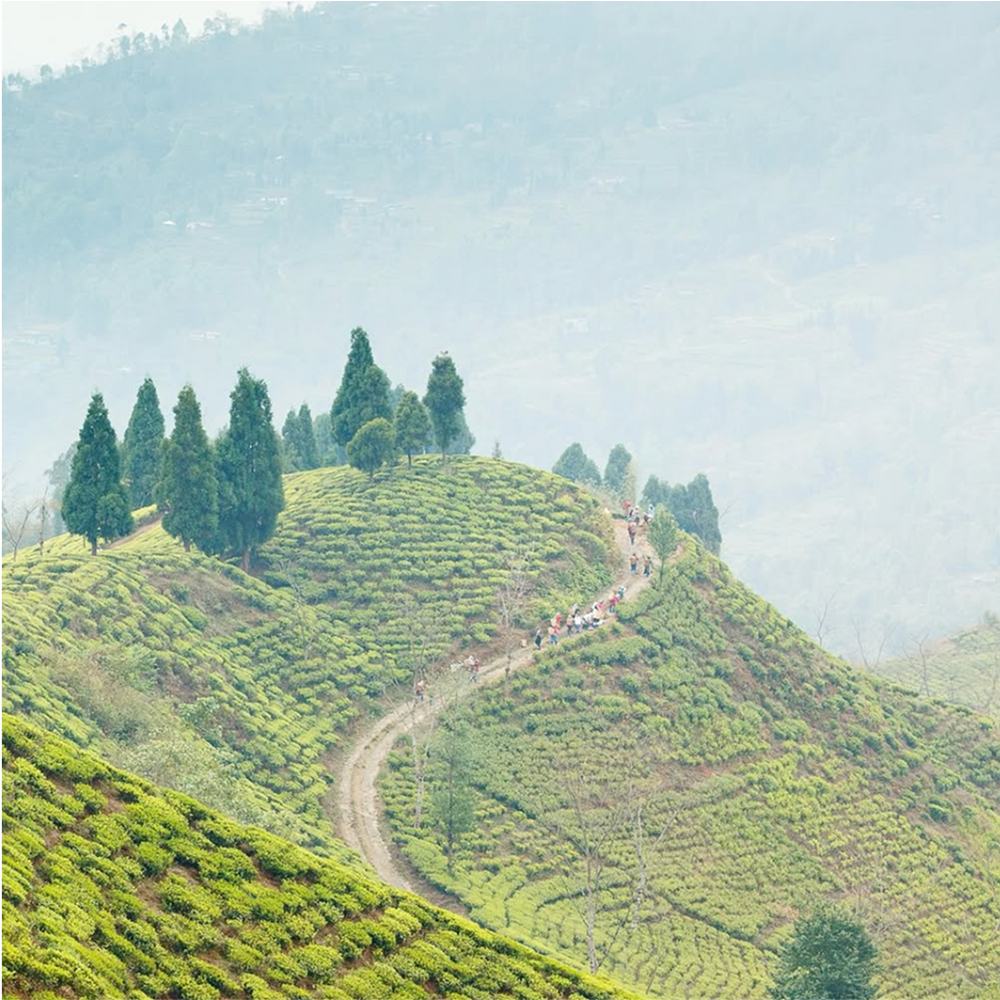
From a distance, an organic tea garden may look like any other: neat rows of green bushes stepping up a slope, mist hanging low over the trees. Look closer, and the differences begin to reveal themselves.
Healthy soil is at the heart of organic tea. Rather than relying on soluble fertilisers that give a quick hit of growth, organic producers build fertility slowly. They add organic matter to the soil, allow groundcover plants to grow between rows, and often plant shade trees whose leaves fall and feed the life below. The result is soil that is darker, richer and full of microbial activity – a living medium that supports deep‑rooted, resilient tea plants.
Without synthetic pesticides, managing pests and disease becomes a matter of balance and observation. Producers encourage natural predators, tolerate a certain amount of cosmetic damage, and adjust plucking standards to keep plants vigorous. It can be more labour‑intensive and requires a close, almost intimate understanding of each plot of land.
Harvesting is another decisive step. The finest organic teas are still hand‑picked, leaf by leaf, with pluckers taking only the bud and the youngest leaves during the best part of the season. This level of selectivity is demanding but gives you the raw material for exceptional tea – tender leaves packed with potential.
From here, the processing follows the same broad paths as non‑organic tea: withering, fixing, rolling, oxidising and drying, depending on whether the goal is a green, oolong, black or white tea. Craftsmanship at this stage is just as important as farming method. An organic green tea that is over‑fired or carelessly rolled will not taste any more special than its conventional counterpart.
What organic farming offers, when paired with skilled processing, is a set of conditions where the character of the place – its terroir – can shine through clearly.
Benefits of Organic Tea
1. Grown Without Synthetic Chemicals
One of the most straightforward benefits of organic tea is that it is grown without synthetic pesticides or fertilisers. This is particularly relevant for tea because, unlike wine or coffee, you are infusing the leaf directly in hot water and drinking what it releases. There is no roasting step at several hundred degrees to change the chemistry, no distillation or heavy processing in between.
For many drinkers, there is a certain peace of mind in knowing that their daily ritual does not depend on chemical shortcuts in the field. That doesn’t mean conventional tea is automatically unsafe, but organic farming removes a layer of concern from the equation and aligns the drink more closely with the natural landscapes it comes from.
The key is to keep the conversation factual rather than alarmist: organic tea is grown without certain synthetic inputs, and that is one of several reasons people may prefer it.
2. Better for the Environment
Organic tea gardens are designed to support rather than strip the land. Without synthetic herbicides, wild plants are allowed – even encouraged – to grow between rows, protecting the soil from erosion. Without heavy applications of chemical fertiliser, watercourses are less likely to be polluted with nutrient run‑off.
Many organic producers plant shade trees and hedgerows that create habitat for birds, insects and small mammals, turning monoculture into something closer to a living mosaic. Over time, this focus on soil health, biodiversity and water quality contributes to landscapes that are more resilient to droughts, floods and changing weather patterns.
It is not a perfect or simple solution – organic farming still requires careful management and has its own challenges – but as part of a more responsible agricultural system, it is a step in the right direction.
3. Supports More Sustainable Farming Practices
Beyond the absence of chemicals, organic tea often goes hand in hand with more sustainable philosophies of farming. Producers adopt regenerative practices such as composting, cover cropping and reduced tillage that enhance the long‑term fertility of the soil rather than depleting it. They may experiment with agroforestry – growing tea alongside other crops and trees – to diversify income and improve resilience.
These approaches can demand more labour and more knowledge, but they also tend to keep value closer to the communities who tend the land. For conscious consumers, organic tea can therefore be part of a broader pattern of supporting producers whose livelihoods depend on the long‑term health of their environment.
4. Greater Transparency and Traceability
Organic certification requires a clear line of sight from field to finished packet. Every stage – from which plots were harvested, to how the leaf was processed, to how it was shipped and packed – must be documented. That level of traceability can be reassuring in a world where many teas are blended from vast numbers of anonymous gardens.
There is an important nuance here. Certification offers a recognised, third‑party guarantee that certain standards have been met. Direct sourcing relationships go even further. When we at JING know the producer personally, have walked their gardens, and tasted their teas across seasons, we are able to share a deeper, more human story of where your tea originates.
The most compelling organic teas combine both: formal transparency through certification and lived transparency through long‑standing, respectful relationships.
5. Often Associated with Higher Quality Production
Organic status and quality are not the same thing, but in practice they often overlap. Producers who choose to farm organically are usually making a long‑term commitment to plant health and leaf quality. They are more likely to focus on selective plucking, to pay attention to harvest timing, and to experiment with processing to bring out the distinctive character of their gardens.
That said, the label on its own is not a guarantee of excellence. High quality depends on many factors: the cultivar of tea plant, the altitude and climate of the garden, the precision of withering and firing, and, ultimately, the palate of the tea master making decisions along the way. Organic is one dimension of a multi‑faceted picture.
6. Uncompromised Flavour
Where organic farming truly shows its potential is in the clarity of flavour it can yield when everything goes right. A tea plant that has grown more slowly in living soil, responding to the nuances of sun and rain rather than being pushed with fertiliser, often produces leaves with more concentrated, expressive character.
When those leaves are harvested at the right moment and handled with care, the result in the cup can be a liquor that tastes clean, precise and true to its origin. The malty depth of an organic Assam, the layered florals of an organic high‑mountain oolong, the sweet grassiness of an organic sencha – each feels less blurred, more finely drawn.
It would be misleading to claim that organic tea is always more delicious than non‑organic. Taste is subjective, and craftsmanship matters enormously. But for drinkers who value a pure, terroir‑driven experience, organic farming can help remove some of the noise between garden and cup.
How to Choose High-Quality Organic Tea
Standing in front of a shelf – or a long list online – of organic teas can feel overwhelming. A few simple principles can help you navigate with confidence.
Look first at origin and producer, not just at the certification mark. Where is the tea from? Is the region or even the garden named, or is it simply “organic black tea”? Producers and merchants who are proud of their sources usually share those details.
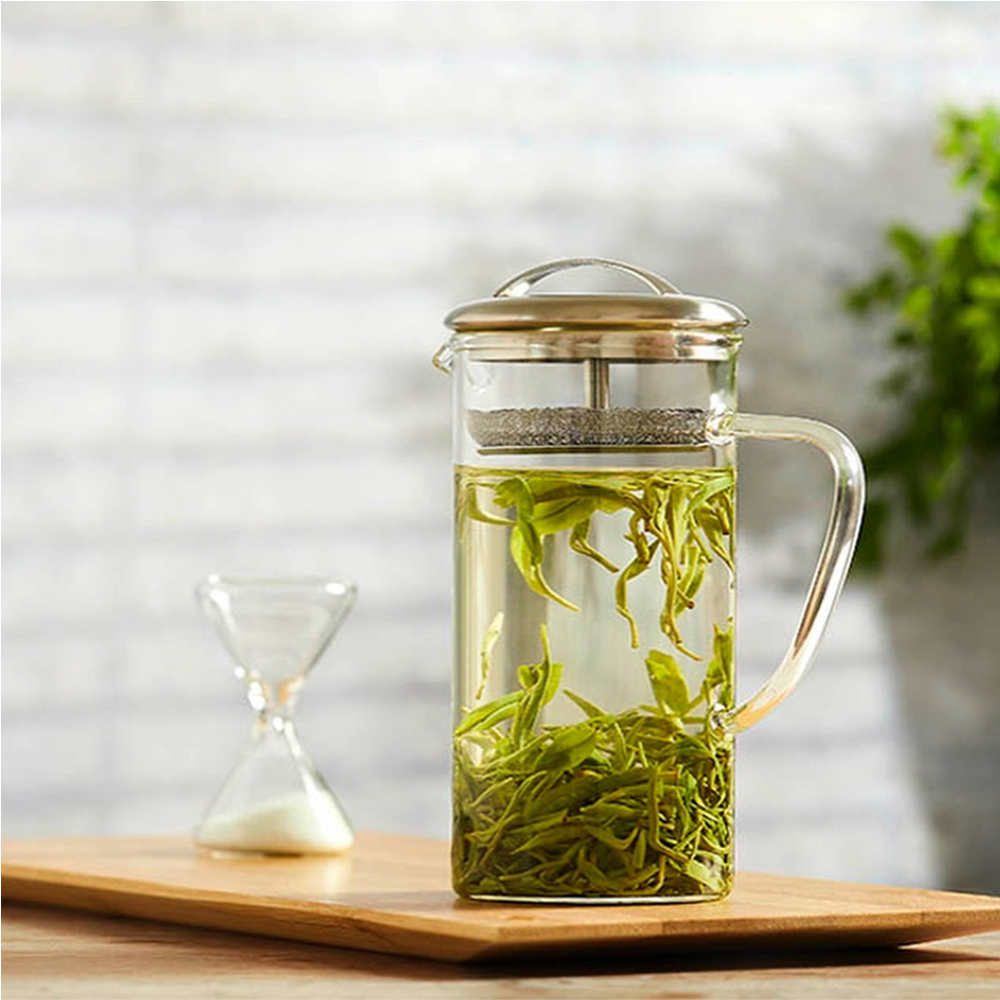
Whenever possible, choose organic loose leaf tea rather than bags. Whole leaves give you access to more aroma, texture and clarity, and they’re often a sign that the tea was made with drinking quality, not just mass convenience, in mind.
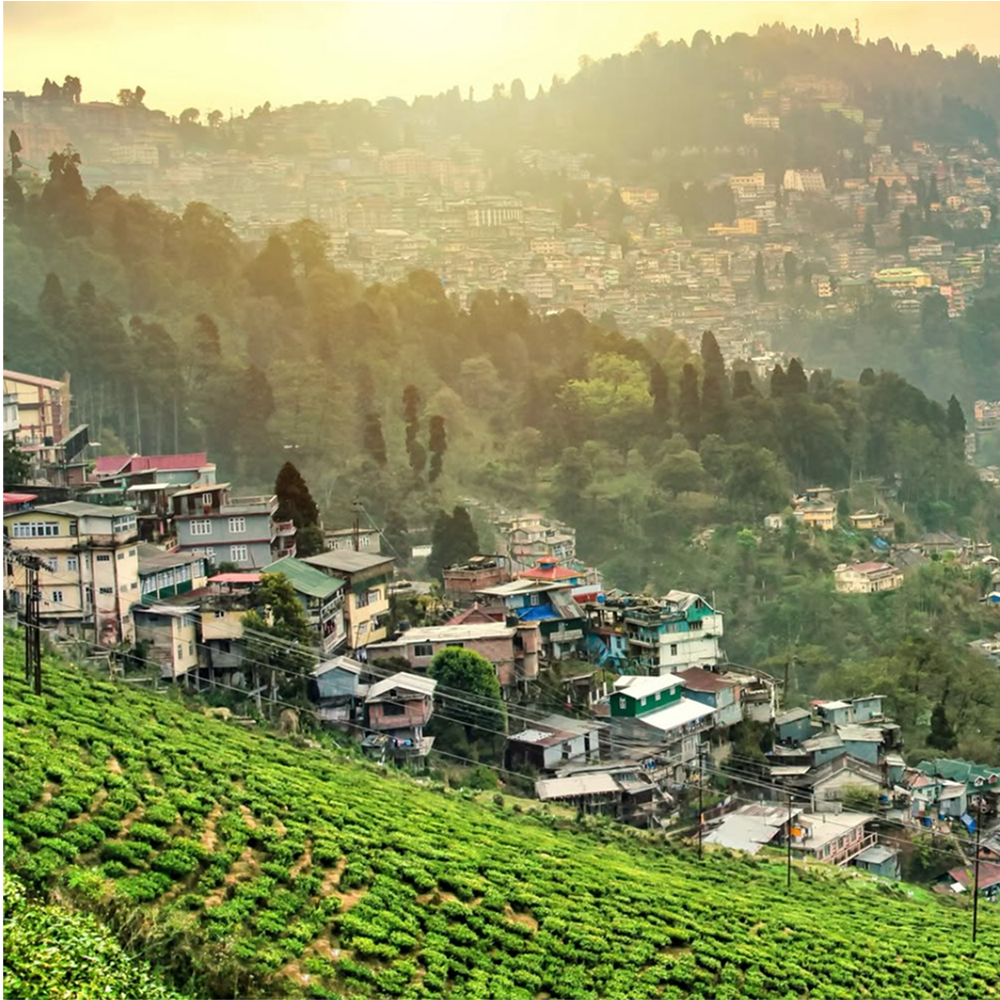
If it’s available, pay attention to harvest season. For many green and oolong teas, spring is the most prized time, when the first flush of growth emerges after winter. For Indian teas such as Darjeeling, first and second flushes offer distinct personalities. Knowing when a tea was picked can tell you a lot about how it will taste.
Then consider your own preferences. Do you prefer fresh, light and green, or rich and malty? Do you drink tea early in the day and enjoy the presence of caffeine, or are you looking for calming, caffeine‑free infusions? Do you like to infuse in a simple pot and mug, or do you enjoy a more involved ritual?
High‑quality organic tea sits where these considerations meet: grown with respect for the land, crafted with skill, and chosen with your particular tastes in mind.
Shop Organic Tea with JING
Single garden tea brand JING is on a mission to give tea drinkers the best tea experience while simultaneously helping tea producers and their environments to thrive. Organic teas are a natural part of that journey.
We work directly with tea masters across Asia, forming long‑lasting relationships that allow us to understand not just how their teas are certified, but how their gardens feel underfoot, how the air smells at harvest, and how they think about the future of their land. From there we curate a collection of organic loose leaf and herbal teas that we believe best express their origins.
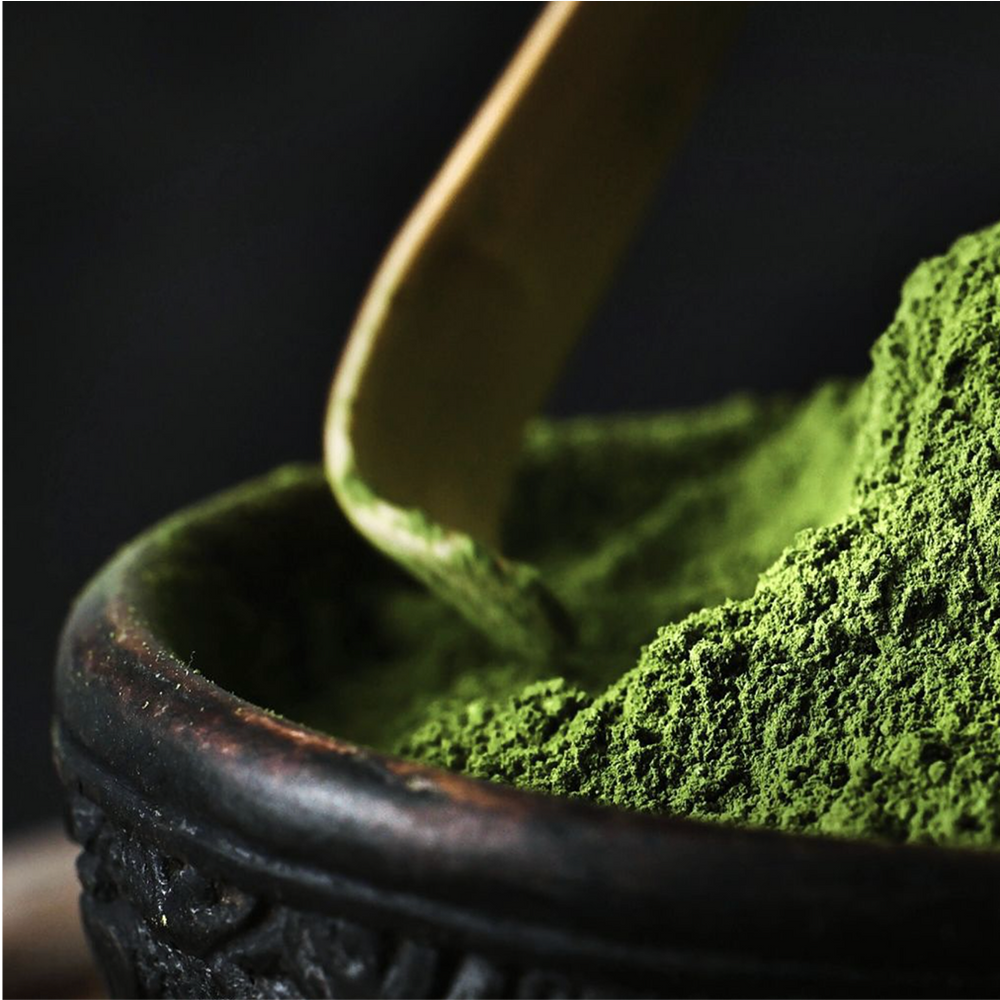
Within JING’s organic range you will find bright, spring fresh green teas, bold and satisfying black teas, calming herbal infusions and finely milled matcha – each chosen for the clarity of its flavour and the integrity of its source. If you are ready to move beyond generic supermarket tea into a world of distinctive flavours, organic teas are one of the most rewarding places to start.
Explore the collection, follow your curiosity, and let each cup introduce you to the places and people behind it.