Many people still think of green tea as bitter, or something you drink for health rather than taste. If that's you, get ready for a surprise: with the right leaves and the right infusing method, green tea can be sweet, velvety and thick, rich in umami with deep grassy flavours and lots in between.
In this guide, we'll explain the differences between green teas from China and Japan and share everything you need to make green tea, prepare it well and infuse it with confidence so every cup does justice to our single garden green teas.
|
How to make green tea in 4 steps
|
The Basics of Infusing Green Tea
The key to great flavour lies in great tea leaves, so always start with high-quality green tea from a single garden or origin. Here are some basic rules that apply to any green tea, whether you're making it, preparing it for guests, or infusing a quiet cup for yourself:
-
Start with High-Quality Tea: the foundation of great flavour is in the quality of the tea leaves.
-
Use Cooler Water: avoid boiling water, as it can bring out bitterness. Slightly cooler water enhances the sweet, higher notes and creates a smooth texture.
-
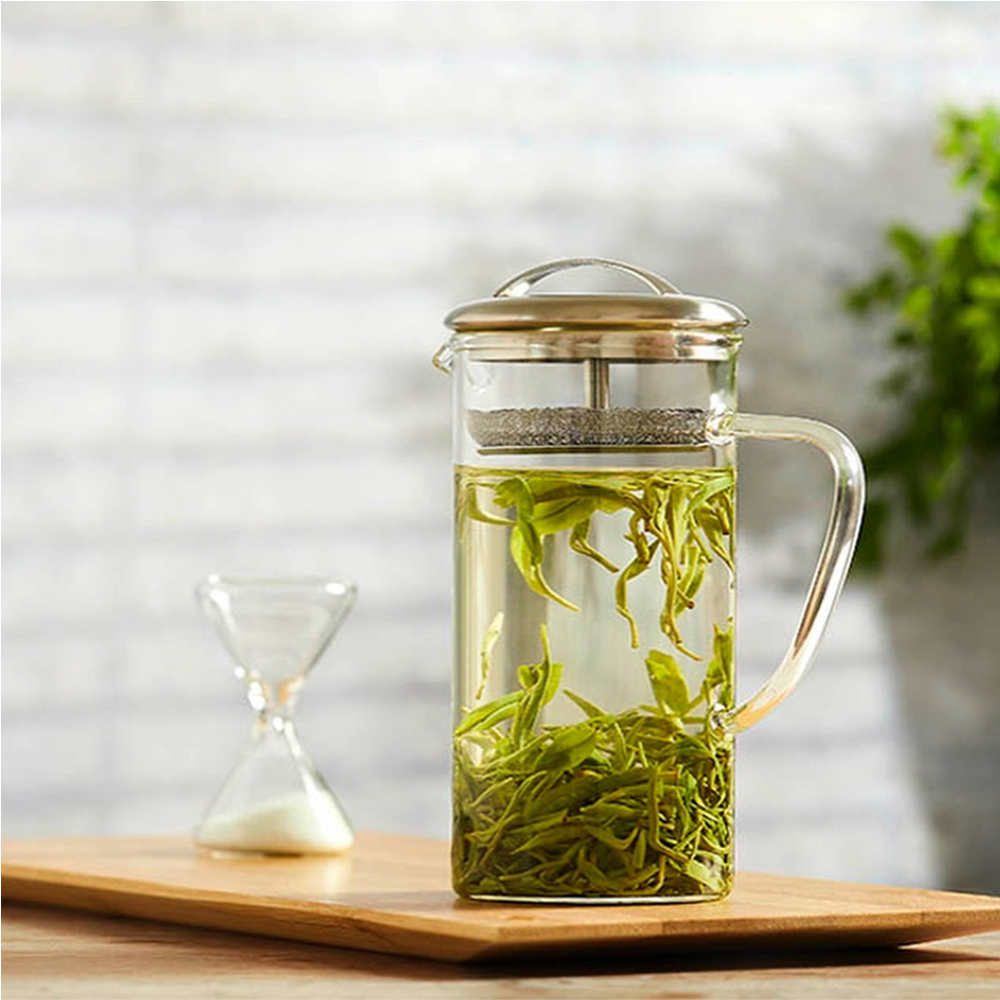
Give the Tea Space to Infuse: tea leaves need room to unfurl and fully release their flavour.
-
Pour It All Out When Ready: prepare one perfect cup at a time rather than letting your tea sit and stew, which can make it too intense.
We always recommend choosing loose leaf tea over tea bags when possible, explore our full green tea collection to find your next favourite. It's better for the environment and offers better value for money.
Tea Bags vs Loose Leaf Tea
What's the difference between tea bags and loose leaf tea? As the saying goes, it's what's on the inside that counts. If you're using tea bags, always check that the tea inside is high quality and fresh, as lower-quality tea is typically used for tea bags.
Our green tea bags, such as Organic Jade Sword and Organic Sencha, are packed with tea leaves that undergo the same sourcing and quality selection processes as our loose teas. In fact, you're getting exactly the same tea whether you choose our Organic Jade Sword in tea bags or loose leaf.
However, it's worth noting that the highest quality and largest variety of teas won't ever be found in tea bags as small batches or large leaves will only be available loose. If you want to explore the depth and breadth of amazing flavours available from green tea, loose tea is the way to go. The good news is that making loose tea can be just as quick and easy as using tea bags, not to mention that it's better for the environment and more cost-effective.
How to Prepare Chinese Green Tea
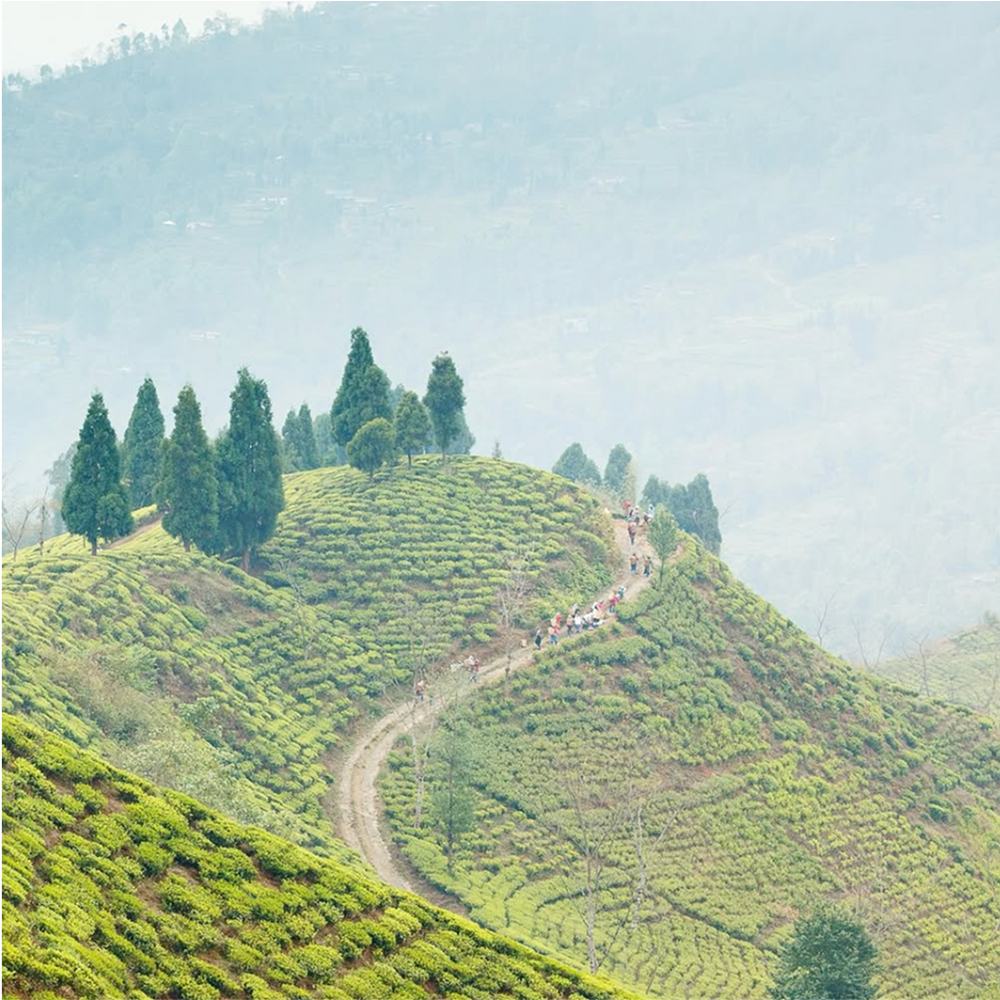
Chinese green teas are often sweet, grassy and refreshing, with handpicked young tea leaves crafted to capture the essence of spring, the season in which they're produced. Grown at high elevations among mountain landscapes, they're enjoyed by locals throughout summer as a cooling and invigorating drink. Here's how to prepare one of our favourite Chinese green teas:
Organic Jade Sword – this is a forgiving green tea that maintains its sweetness and thick texture even if you think you've done it wrong or forgot to pour it out (as I often do!). As with most Chinese green teas, it requires cooler water, around 80°C, which is easy to achieve by adding roughly 20% cold water to your teapot or Tea-iere before topping up with boiling water.
This is our go-to recipe:
-
4g or 1 tea bag per 250ml
-
80°C water
-
3 minutes per infusion (can be re-infused twice)
Top Tip: high-quality teas, especially loose leaves, can be re-infused multiple times. Don't throw away your leaves after one infusion. Instead, add some fresh 80°C water and infuse for 30 more seconds than the first time.
How to Infuse Japanese Green Tea
Sencha is Japan's most popular style of green tea. The leaves are picked, steamed and rolled, resulting in a vegetal tea with an umami-rich flavour.
Japanese green teas tend to be grassy, smooth and satisfying with a characteristic umami flavour, enhanced by the steaming of the tea leaves during processing. Often grown at lower elevations in perfectly arranged tea gardens, green teas are Japan's most popular type of tea, with many unique varieties. Here's how to infuse our staple Japanese green tea:
Organic Sencha – these delicate leaves offer plenty of the umami depth and gentle sweetness that we love from Japanese tea. Japanese green teas often use even cooler water (sometimes as low as 50°C), but for JING Organic Sencha, 70°C is best to ensure a balance of rich taste and smooth texture. Again, adding a little cooler water to the leaves before topping up with boiling water will do the trick. This is our go-to recipe:
-
4g or 1 tea bag per 250ml
-
70°C water
-
3 minutes per infusion (can be re-infused twice)
Top Tip: use freshly filtered water for the best-tasting infusion. It ensures clarity of flavour, especially from more complex green teas like Gyokuro, also from Japan.
FAQs: How to Make Green Tea
What temperature should you use to infuse green tea?
Most green teas are best infused between 70–80°C. Chinese green teas like Jade Sword suit around 80°C, while delicate Japanese teas like Sencha prefer closer to 70°C. Boiling water scorches the leaves and brings out bitterness.
How long should you infuse green tea for?
Around 3 minutes per infusion is the sweet spot for most loose leaf green teas. High-quality leaves can typically be re-infused twice more, adding roughly 30 seconds to each subsequent infusion.
Can you reuse green tea leaves?
Yes, good quality loose leaf green tea can be infused two to three times. Don't discard the leaves after the first pour; simply top up with fresh water at the same temperature.
Is loose leaf or tea bag green tea better?
Both can offer excellent flavour if the tea inside is high quality, our green tea bags use exactly the same leaves as our loose teas. That said, the widest variety and rarest small-batch teas will always be loose leaf only.
Start Your Green Tea Journey With JING
By starting with high-quality tea leaves and following the right infusing techniques, you can unlock the full potential of your green tea, whether it's a refreshing Chinese green or a deep, umami-rich Japanese green.
Whether you prefer the convenience of tea bags or the broader flavour profile of loose leaf, explore our full green tea collection to find the perfect tea to suit your taste, and browse our teaware to make every cup even easier to prepare.