Choosing a first good green tea is genuinely overwhelming. The names are unfamiliar, the range is wide, and the bar is set low by most people's previous experience: a supermarket tea bag that tasted bitter and flat and put them off the whole category. This guide cuts through that. It explains what makes a green tea high quality, recommends a short list of beginner-friendly teas grouped by taste, and gives you the confidence to make a choice that will not disappoint.
Explore JING's loose leaf green tea collection when you are ready to start.
What makes a high quality green tea?
Quality in green tea comes down to four things: the leaf, where it is grown, when it is picked, and how fresh it is. Understanding these quickly reveals why most supermarket green tea tastes nothing like what green tea is capable of.
For a more detailed guide to reading quality in loose leaf tea, how to choose quality loose leaf tea covers every signal worth knowing.
Whole leaf vs broken leaf
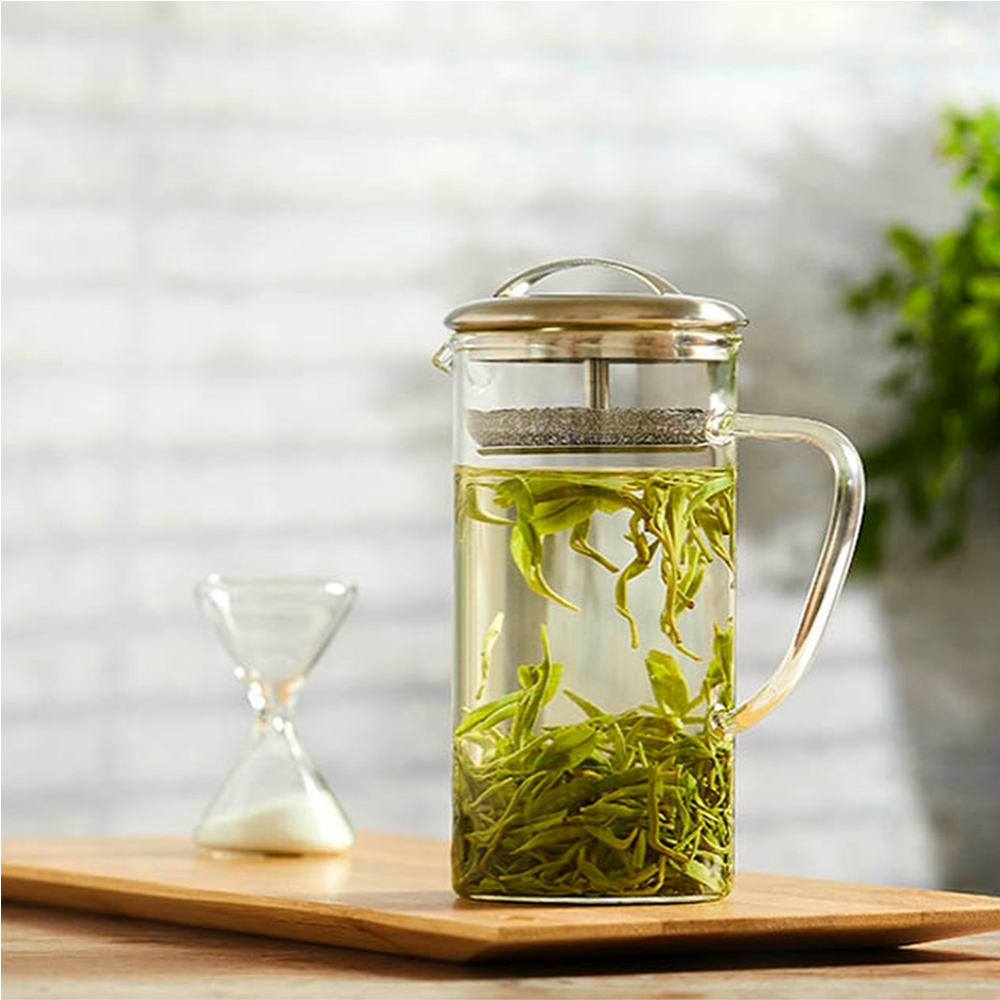
Most tea bags contain broken leaf, fannings or dust, which is what is left after the whole leaf tea has been sorted. The surface area of broken leaf is far larger than a whole leaf, which means the bitter compounds extract almost immediately in hot water. Whole leaf tea releases flavour slowly and evenly, allowing the natural sweetness to come forward. The same cultivar, grown in the same garden, tastes completely different as a whole leaf compared to a tea bag.
Single origin and single garden
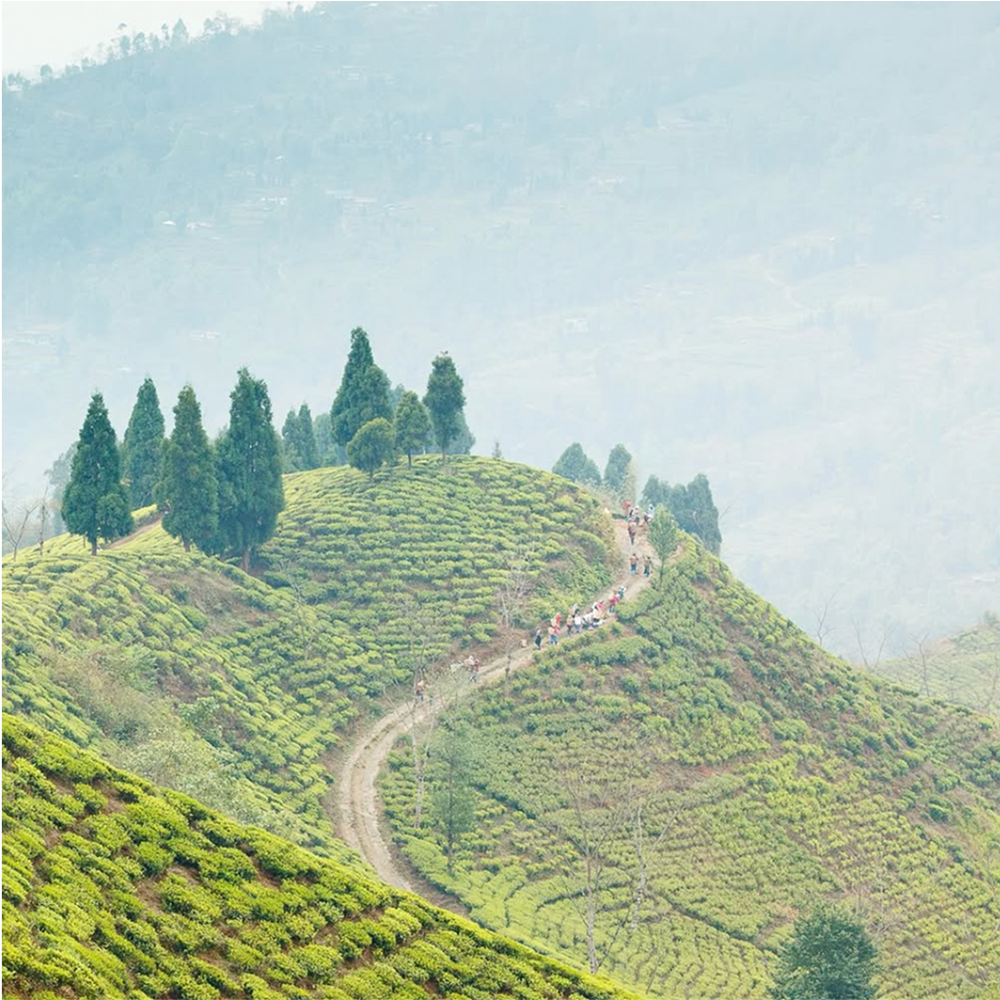
Knowing exactly where a tea comes from, down to the garden and ideally the cultivar and harvest date, is one of the clearest signs of quality and traceability. Blended teas combine leaf from multiple sources, which produces consistency but removes character. A single-garden tea tastes like a specific place: the soil, the altitude, the microclimate and the producer's decisions all show in the cup.
Harvest season
Spring harvests are prized across both China and Japan. The young buds and leaves picked in the first flush of the year carry more sugars, amino acids and delicate aromatics than later harvests, which is why they taste sweeter, more complex and more refined. First-harvest teas are not always labelled as such, but a reputable source will tell you when the tea was picked.
Freshness and storage
Green tea is one of the most perishable of all tea types. Exposure to light, air, heat and moisture degrades the flavour quickly, converting the natural sweetness into a flat, stale quality that is often mistaken for a characteristic of green tea itself. Fresh green tea should smell vivid and clean when the tin is opened, and the liquor should taste bright and alive.
For guidance on what to look for, how to know whether your tea is fresh covers the signs clearly.
How to spot quality at a glance
Look for leaves that are even and brightly coloured, with a fresh and distinctive aroma when you open the container. Good green tea can be infused more than once, with the second infusion often being the most balanced. If the leaves produce nothing on a second infusion, the quality of the leaf or its freshness is questionable.
Which green tea is best for beginners?
The best starting green teas are mellow, naturally sweet, and forgiving in preparation. They should be hard to make bitter, approachable for a palate that is not yet calibrated to green tea's character, and consistent enough that they taste good every time.
The list below is grouped as teas to start with, which are chosen for maximum approachability, and teas to try next, which reward a little more experience and curiosity.
The best green teas to start with
Genmaicha
Green tea blended with toasted rice, which gives it a warm, nutty and deeply savoury flavour that feels much closer to a comforting everyday drink than a typical green tea. The toasted rice softens any grassiness and makes the cup very approachable for a first-timer. Infuse at 80°C for 2 minutes. Genmaicha green tea
Jade Sword
A fresh, elegant Chinese green tea from Zhejiang with a naturally sweet, low-bitterness character. Flat, sword-shaped leaves that unfurl cleanly in the cup and release a pale, clean liquor with a mild, pleasant freshness. Infuse at 75°C for 1 to 2 minutes. Jade Sword green tea
Jasmine Pearls
Hand-rolled balls of green tea scented by layering fresh jasmine blossoms over the leaves repeatedly until the fragrance is absorbed into the leaf itself. The result is naturally sweet and floral, with almost no grassiness. Ideal for anyone who found pure green tea too grassy on a first encounter. Infuse at 80°C for 2 to 3 minutes. Jasmine Pearl green tea — and for the full story behind the scenting process, our guide to jasmine tea.
Sencha
The most widely drunk tea in Japan and the classic starting point for Japanese green tea. Fresh, grassy and bright with a clean savoury edge. It requires a little more care than the teas above (70°C water for 1 minute, leaves removed promptly) but rewards that attention with a vivid, distinctive cup. Japanese sencha green tea
The best Japanese green tea and more to try next
Gyokuro
A shade-grown Japanese green tea that concentrates L-theanine to produce a sweet, umami-rich flavour unlike anything else in the green tea world. Very low in bitterness and intensely smooth. It is a step up from sencha in both price and character, and among the most rewarding Japanese green teas you can try. Infuse at 60 to 70°C for 90 seconds. Gyokuro green tea
Baojing Gold
A rare and distinctive green tea from Hunan province in China, made from yellow-gold buds and producing a mellow, honeyed cup with a long sweet finish. A tea for when you want something genuinely unusual and special. Baojing Gold green tea
Flowering Jasmine and Lily
A hand-tied tea that blooms as it infuses, with the leaves and flowers slowly opening in the water to reveal a complete small display. The flavour is delicate and floral. As a gift or a quiet moment for yourself, the visual element makes it a showpiece as much as a tea. Infuse in a glass so you can watch it open.
Choosing the best tasting green tea for you
A quick matching guide for finding your starting point: Nutty and warm: Genmaicha or Dragon Well. Floral and fragrant: Jasmine Pearls. Fresh and grassy: Sencha. Sweet and richly savoury: Gyokuro.
If you are still not sure, the most useful thing is to try a Chinese green and a Japanese green side by side. The contrast between Dragon Well's toasty warmth and Sencha's grassy brightness makes it immediately clear which direction suits your palate, and every decision from there becomes easier.
How to get the best from your green tea
Water temperature is the single most important variable. Use water at around 70 to 80°C, not boiling, and keep infusions short, one to two minutes for most of the teas above. Remove the leaves promptly once the time is up. Good quality loose leaf green tea can be infused two to three times from the same leaves, the flavour developing with each infusion.
For the full method, our guide to how to infuse green tea covers every step.
Start your green tea journey with JING
Every green tea in the JING range is sourced from a named single garden, picked at the right time of year and packaged to stay fresh. This is what makes the difference between a tea that tastes like a category and one that tastes like somewhere specific.
Start with one tea from the list above and explore the rest from there. JING's loose leaf green tea collection is the right place to begin.
Frequently asked questions
Which green tea is best for beginners?
Mellow, forgiving teas like Genmaicha, Dragon Well and Jasmine Pearls are the most approachable first green teas because their flavours are warm and familiar rather than grassy or intense, and they are rarely bitter even if the infusion is slightly imperfect.
How can you tell if green tea is high quality?
Look for whole leaves with an even, vibrant colour and a fresh, distinctive aroma. High quality green tea has a clearly named origin and can usually be infused more than once. If the colour is dull, the aroma flat, or the leaves produce nothing on a second infusion, the quality or freshness is likely low.
Is loose leaf green tea better than tea bags?
Generally yes. Whole leaves give a sweeter, more rounded flavour than the broken leaf in most tea bags, because they release flavour slowly and evenly rather than all at once. The difference is noticeable immediately, even with the same cultivar.
What is the best Japanese green tea for beginners?
Sencha is the classic starting point: the most widely drunk Japanese green tea, fresh and grassy, and manageable for beginners who use the right temperature and timing. Genmaicha is even gentler, with the toasted rice making it very approachable. Gyokuro is a rewarding next step once you are comfortable with the Japanese green tea style.
Is expensive green tea worth it?
Higher quality green tea gives more flavour per cup and can be infused several times, so the cost per serving is often lower than it first appears. A well-sourced single-garden loose leaf green tea also tastes genuinely different from a supermarket alternative, in the same way that good coffee, good olive oil or good chocolate tastes different. The comparison is not just quantity but character.