What tea contains the most caffeine?
Not all teas are created equal when it comes to caffeine. Whether you are looking for a sharp morning boost or a gentler lift through the afternoon, the type of tea you choose makes a real difference, and the type of leaf is only part of the story.
Caffeine in tea is influenced by considerably more than what you see on the label. The cultivar, the growing method, the harvest season, the steeping time, and the water temperature all play a role, and understanding how those variables interact is more useful than a simple ranking. This guide covers the full spectrum, from high-caffeine teas like matcha and black tea through to naturally caffeine-free herbal infusions, and explains the reasoning behind the numbers.
Browse the full JING tea range to find the style that suits your energy needs and your taste.
Why does caffeine content vary between teas?
All true teas come from the same plant, Camellia sinensis, but the way leaves are processed, shaded, and harvested determines how much caffeine ends up in the final cup. The tea type is only part of the picture.
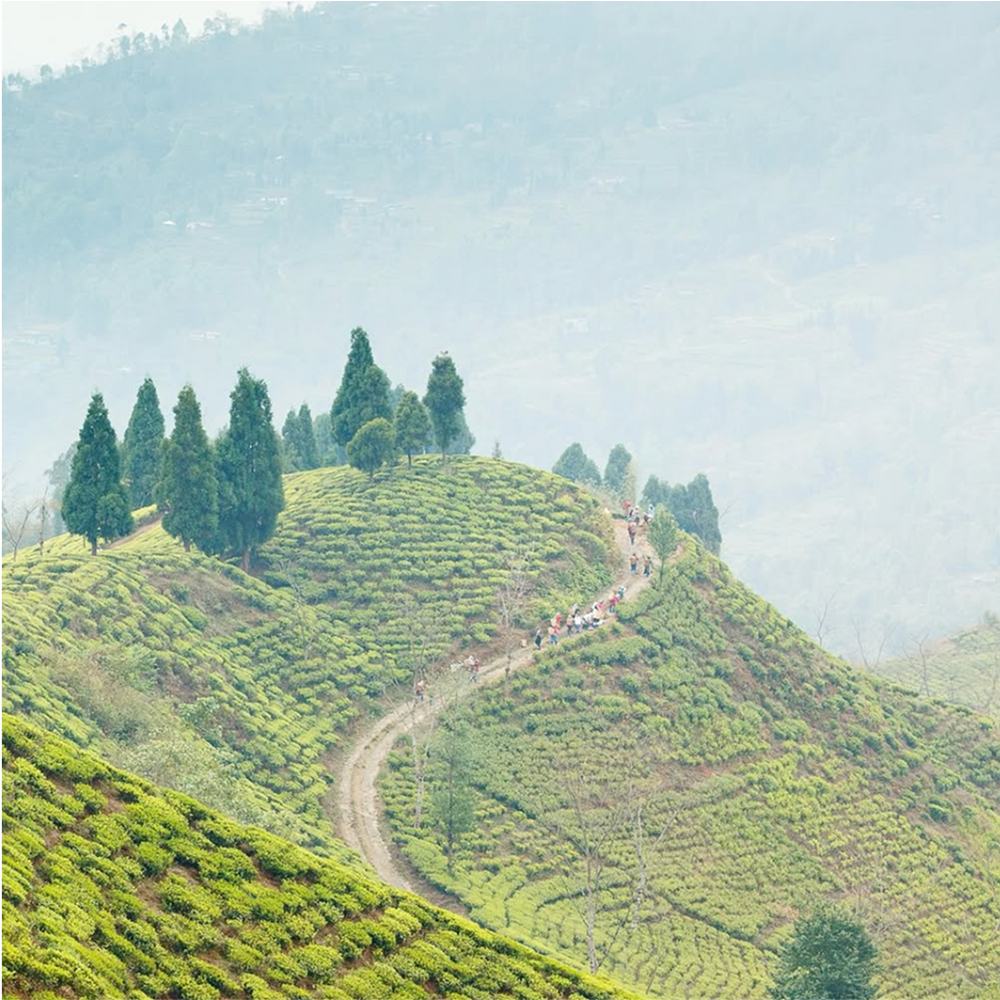
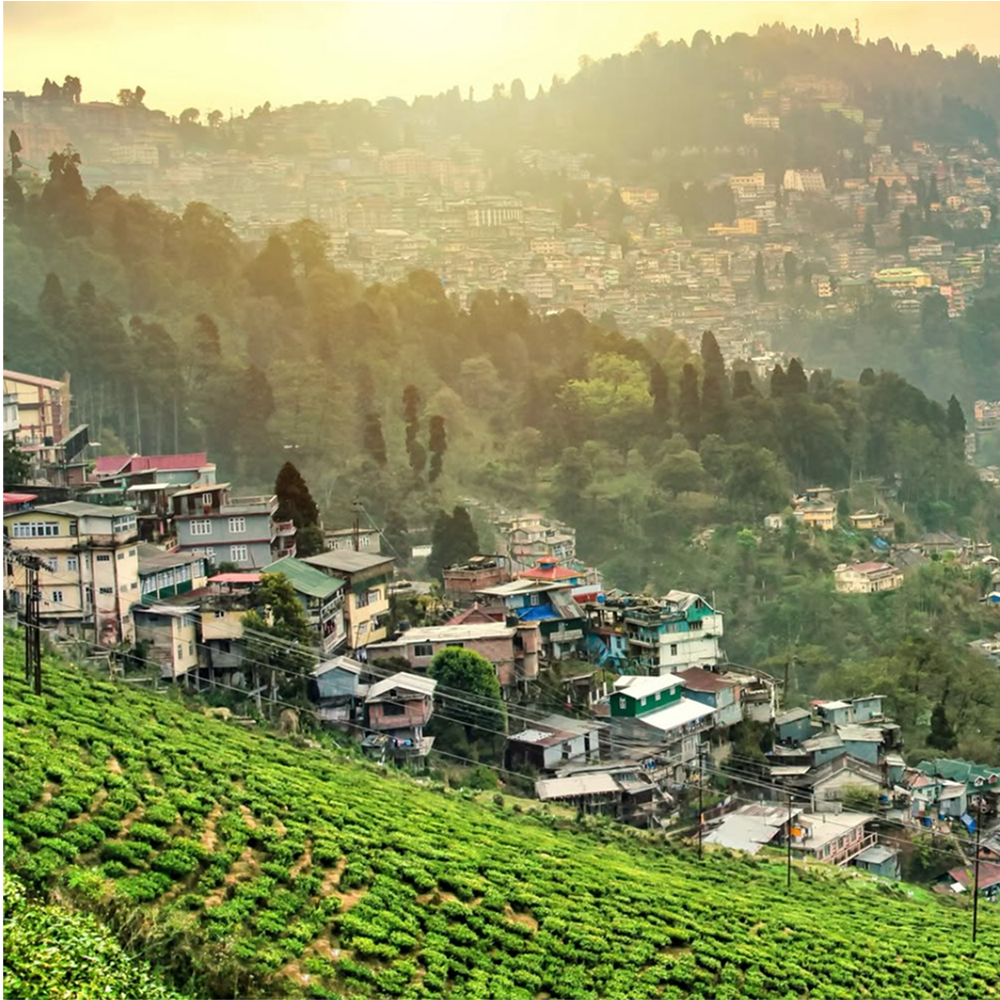
Younger leaf buds carry more caffeine than mature leaves, because caffeine acts as a natural deterrent to insects, and the plant concentrates it where it is most needed. The cultivar matters too: the Assamica variety grown in India tends to be higher in caffeine than the Sinensis variety grown in China. Harvest season plays a role as well, with spring pickings generally carrying more caffeine than later flushes.
Infusion variables add another layer of complexity. Using hotter water for longer extracts more caffeine from the leaf, which is why a properly infused black tea delivers more caffeine than a lightly steeped green tea, even if the dry leaves contain similar amounts to begin with.
JING has explored this in detail in our guide to how much caffeine is in tea, which breaks down caffeine levels across the full range with honest, sourced figures.
Which teas contain the most caffeine?
The figures below reflect a standard serving prepared at the recommended water temperature and steeping time for each tea type. They are approximate ranges rather than fixed numbers, for the reasons discussed above.
|
Tea type |
Approx. caffeine per cup |
Notes |
|---|---|---|
|
Matcha |
60–70mg |
Whole leaf consumed, highest density |
|
Black tea (English Breakfast) |
40–70mg |
Fully oxidised, strong extraction |
|
Black tea (Earl Grey) |
40–65mg |
Assam base, bergamot added |
|
Oolong tea |
30–50mg |
Varies with oxidation level |
|
Green tea |
20–45mg |
Lower temp infusion, less extraction |
|
White tea |
15–30mg |
Minimal processing, lighter cup |
|
Herbal infusions |
0mg |
Not from Camellia sinensis |
How much caffeine does matcha have?
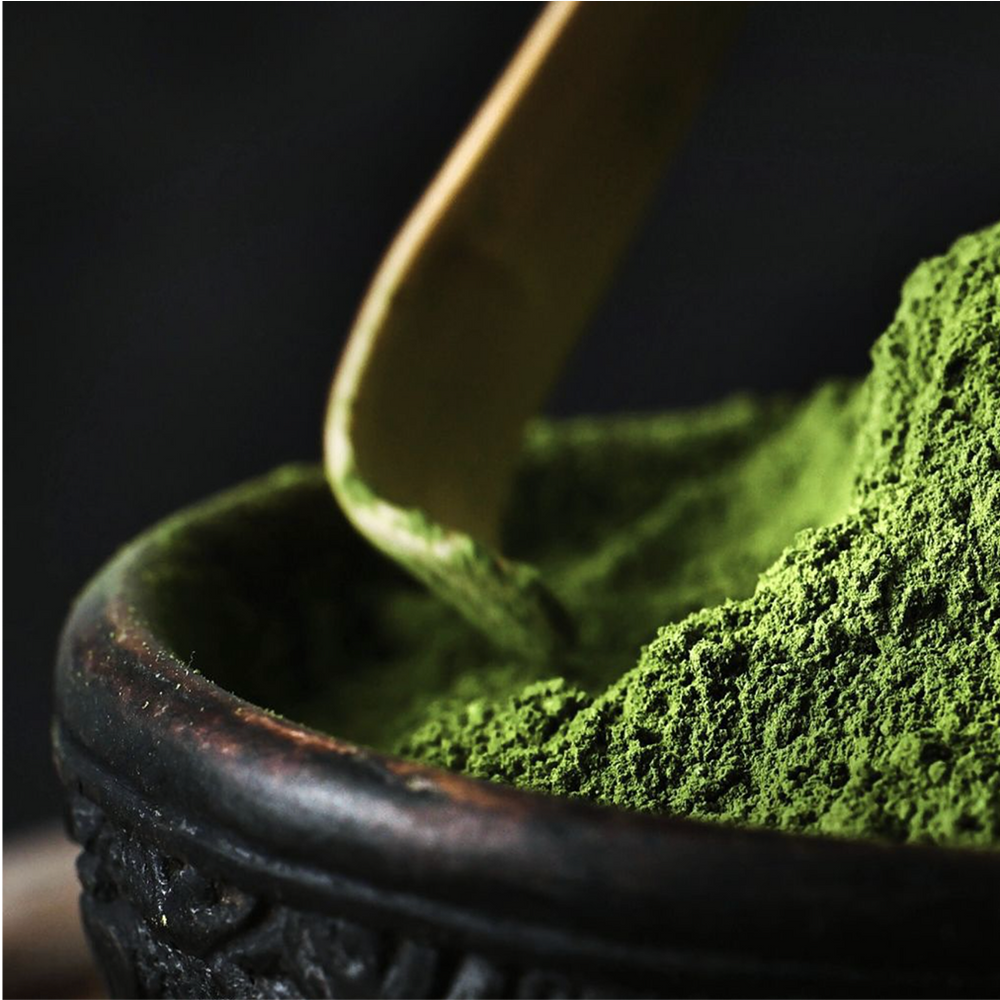
Matcha consistently delivers the highest caffeine of any tea because the whole leaf is ground into a powder and consumed in full, rather than infused and discarded, meaning nothing is lost in the process. Every catechin, every milligram of caffeine, every compound that the leaf contains ends up in the cup.
Shade-growing boosts caffeine and L-theanine simultaneously, and the combination of the two creates a calm, focused energy that feels quite different from the sharp jolt associated with coffee. The L-theanine modulates how the body absorbs the caffeine, producing a more sustained and less abrupt effect. A single serving of JING matcha contains around 60 to 70mg of caffeine.
If you want sustained focus without the coffee jitters, explore JING's ceremonial and latte grade matcha to find the style that suits your morning ritual. For a deeper dive into matcha and caffeine specifically, our guide to how much caffeine matcha has covers everything from shading to serving size.
How much caffeine does English Breakfast tea have?
English Breakfast is one of the strongest caffeinated options in a standard tea bag format, typically delivering between 40 and 70mg per cup, depending on steeping time and water temperature. It is made from fully oxidised Assam leaves, which extract caffeine efficiently. The Assamica cultivar used in Assam is naturally higher in caffeine than Chinese-grown varieties, and the bold, malty character of English Breakfast reflects the same full-bodied intensity that makes it such a reliable morning cup.
JING's single-origin English Breakfast tea bags are sourced directly from selected gardens in Assam, delivering consistent strength and flavour in every cup.
How much caffeine does green tea have?
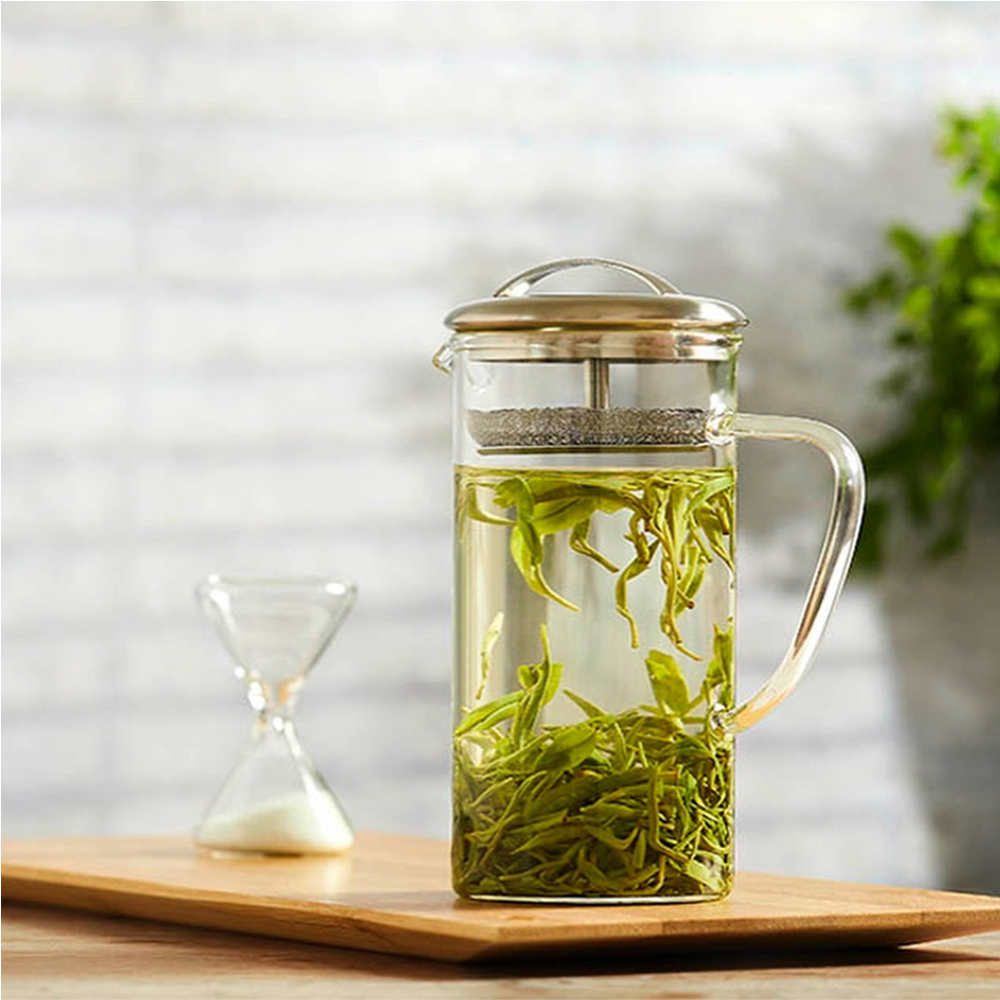
Green tea sits in the mid-range for caffeine, typically between 20 and 45mg per cup. Japanese shade-grown varieties sit at the higher end because the shading process increases caffeine production in the leaf as a natural defence mechanism, in much the same way it does for matcha. The lower infusion temperature recommended for green tea, around 70 to 80 degrees Celsius, means less caffeine is extracted per cup than from black tea, even when the dry leaves contain a similar starting level.
For a lighter caffeine lift with real character, browse JING's green tea collection, including the organic Jade Sword, sourced from Zhejiang, China, via the full JING tea range.
What about white tea and herbal infusions?
White tea is the most lightly processed of all true teas and generally sits at the lower end of the caffeine spectrum, around 15 to 30mg per cup. Some silver needle and white peony teas can carry slightly higher levels depending on harvest and origin, since the young buds used in silver needle teas are naturally caffeine-rich.
Herbal infusions, such as peppermint, chamomile, and lemongrass, are not made from the Camellia sinensis plant at all and contain no caffeine naturally. They are the right choice for anyone avoiding caffeine entirely, particularly in the evening.
JING's Tea Bag Explorer includes ten whole-leaf varieties across black, green, white, and herbal styles, making it a considered way to compare caffeine levels and flavours side by side.
How to choose the right tea for your caffeine needs
The decision is simpler than the range of variables might suggest. If you want the highest caffeine with a calm, focused quality, matcha is the answer. If you want a strong, familiar morning cup, a single-origin English Breakfast or Earl Grey delivers consistent results. If you want a lower caffeine option with real complexity, a good oolong or green tea is worth exploring. And if you want something for the evening that is entirely caffeine-free, herbal infusions are exactly what they appear to be.
Infusion habits matter just as much as tea choice. Steeping for longer, using boiling water, and using a higher leaf-to-water ratio will all increase caffeine extraction regardless of which tea is chosen, so developing a consistent approach gives you a more reliable result.
Not sure where to start? The JING Tea Bag Explorer lets you try ten whole-leaf teas across every style, so you can find the caffeine level and flavour that fits your day.
Ready to find your perfect cup?
Matcha delivers the most caffeine per serving thanks to whole-leaf consumption. Black teas like English Breakfast and Earl Grey are the strongest conventional option. Herbal infusions are the go-to for a caffeine-free moment. And somewhere between those poles lies a spectrum of green teas, oolongs, and white teas that offer real complexity without the full force of a breakfast blend.
Every tea in the JING range is sourced directly from single gardens with full traceability, so the caffeine levels and flavour profiles are consistent rather than the variable output of anonymous supply chains.
Explore the full JING tea range, from high-caffeine matcha to calming herbal infusions, and find the tea that fits your day.
Frequently asked questions
What tea contains the most caffeine?
Matcha contains the most caffeine per serving of any true tea, typically around 60 to 70mg, because the whole ground leaf is consumed rather than infused and discarded. Among traditionally steeped teas, black tea, particularly English Breakfast made from Assam, delivers the highest caffeine at around 40 to 70mg per cup. Explore JING's matcha range to find the right grade for your routine.
What type of tea contains the most caffeine?
Black teas are the highest-caffeine category among steeped teas, but matcha surpasses them because of how it is prepared. If comparing steeped teas only, black tea wins. If including all tea formats, matcha is the strongest option.
How much caffeine does English Breakfast tea have?
A cup of English Breakfast tea typically contains between 40 and 70mg of caffeine, depending on steeping time, water temperature, and the specific blend. Fully oxidised Assam-based teas like JING's single-origin English Breakfast sit towards the higher end of that range.
How much caffeine does matcha have?
Matcha contains approximately 60 to 70mg of caffeine per serving, making it one of the most caffeine-dense tea options available. The caffeine in matcha is also paired with L-theanine, which moderates how the body absorbs it and produces a calmer, more sustained energy compared to coffee. Explore JING's matcha range to find the right grade for your routine.
How much caffeine does green tea have?
Green tea typically contains between 20 and 45mg of caffeine per cup. The exact amount depends on the variety, origin, and infusion temperature, with shade-grown Japanese green teas sitting at the higher end.