
Green tea and matcha tea share a common origin: the leaves of the Camellia sinensis plant. Yet in the cup, they feel like different worlds.
One is a light, clear infusion that has refreshed drinkers for centuries. The other is a vivid green suspension with the texture of silk and the energy of an early-morning mountain walk.
This guide will take you through how they differ – in growing, processing, taste and effect – so you can choose the tea that best suits your taste, lifestyle and rituals.
Breaking Down Matcha Tea and Green Tea
Before we compare, it helps to define.
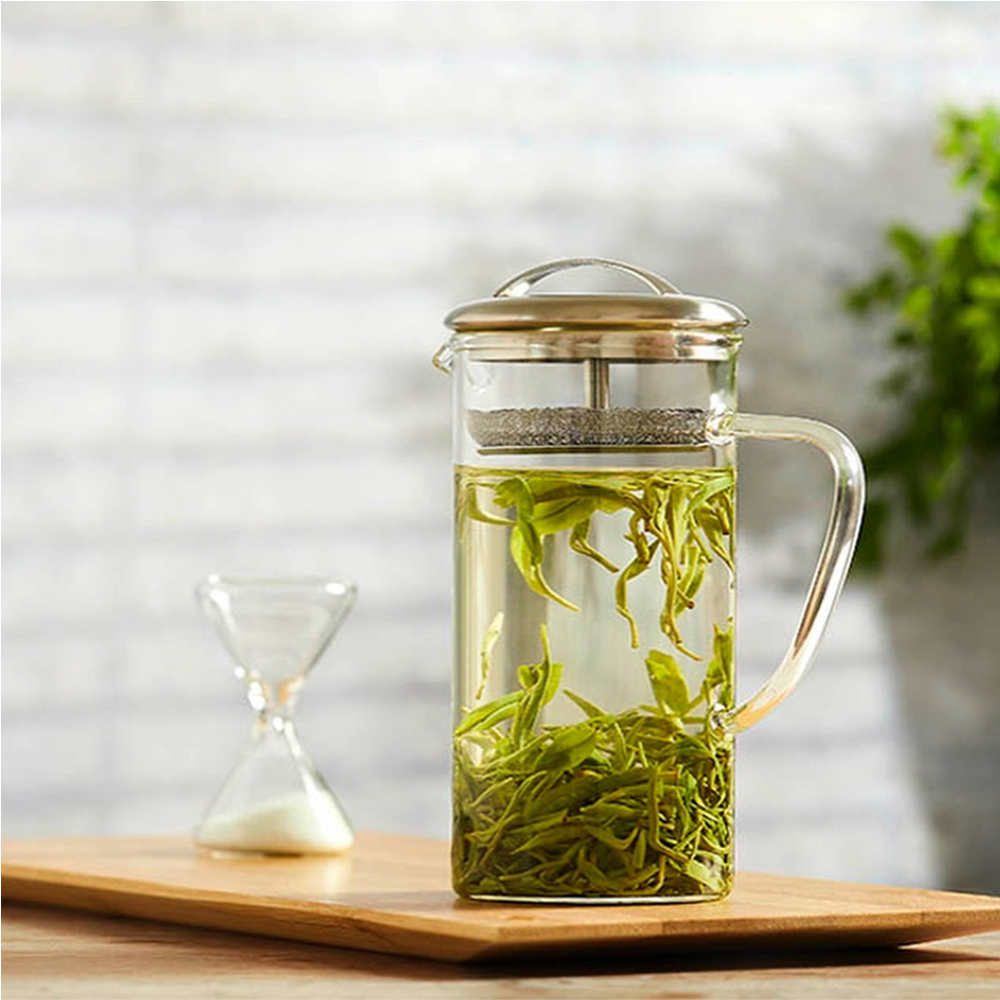
- Green tea is made from whole leaves that are steamed or pan-fired to prevent oxidation, then rolled and dried. You infuse the leaves in hot water, then remove them – enjoying the liquor they’ve released.
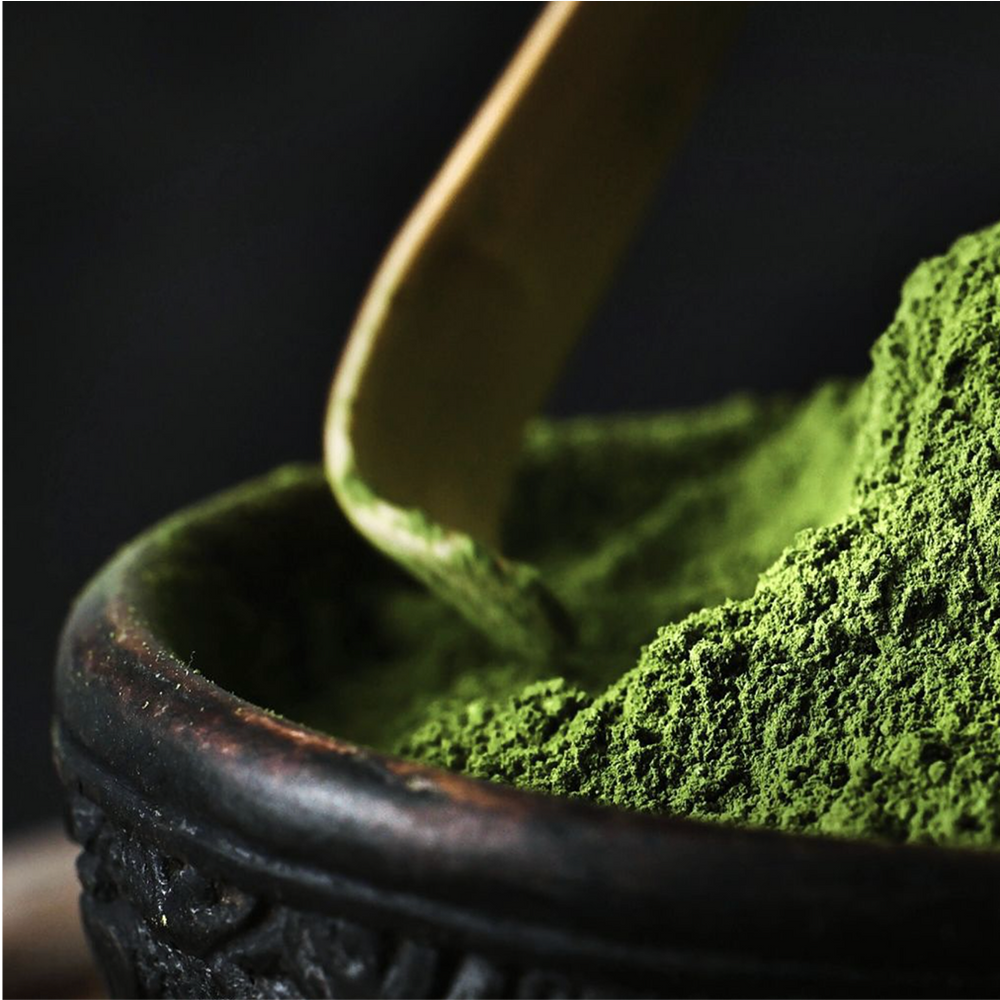
- Matcha tea is a powdered green tea, made from shade-grown leaves that are steamed, dried and stone-ground into a fine powder. When you drink matcha, you consume the whole leaf, suspended in water.
Both are “green teas” in the broader sense, but they are processed and prepared so differently that they offer distinct experiences, nutrients and rituals. If you’d like to explore matcha specifically, our overview of what matcha tea powder is and what matcha tastes like is a good companion.
What is the Difference Between Matcha and Green Tea?
Let’s look at how they part ways, step by step.
Growing & Processing
Green Tea
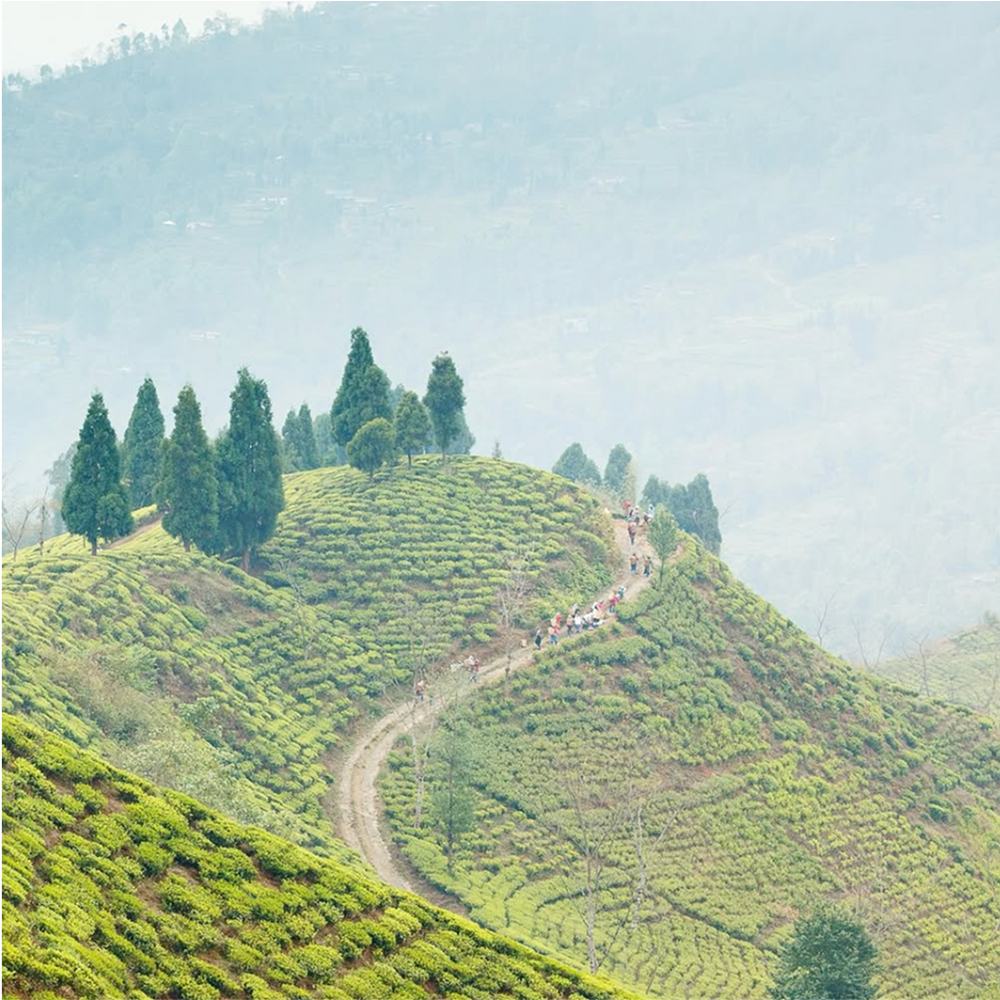
Many classic green teas are grown in full sunlight. Once picked, the leaves are quickly heated – usually by steaming or pan-firing – to stop oxidation. They are then shaped and dried. This process preserves fresh, grassy, sometimes nutty flavours and a clear, pale liquor.
Matcha Tea
Matcha begins with an extra step: shading. For 2–4 weeks before harvest, the tea bushes are covered to limit direct sunlight. This encourages:
- Higher chlorophyll levels (more vibrant colour).
- More L-theanine and amino acids (more umami and sweetness).
After harvesting, the leaves are steamed and dried, then their stems and veins are removed. The remaining leaf – called Tencha – is stone-ground into an ultra-fine powder. This grinding process is slower and more labour-intensive than typical green tea production and is one of the reasons high-grade matcha commands a higher price.
Consumption & Form
Green Tea
- Prepared by infusing loose leaves or tea bags in hot water.
- You drink the infusion and discard the leaf.
At JING, we focus on loose leaf, where whole leaves like our Sencha or our curated green tea collection reveal layered, complex flavours.
Matcha Tea
- Prepared by whisking powder directly into hot water with a bamboo whisk.
- You drink the whole leaf, suspended in the water, rather than an extract.
Our Ceremonial Matcha is a quintessential example: shade-grown, stone-ground and intended to be enjoyed in its purest form.
Taste & Texture
Green Tea
- Flavour: Typically light, clean and refreshing. Depending on origin and style, it can range from fresh and grassy to toasted and nutty.
- Texture: A clear, smooth liquid with no perceptible body, much like a fine white wine.
Matcha Tea
- Flavour: Rich, creamy and umami-forward, with a hint of pleasant bitterness. The best ceremonial grades are naturally sweet and layered rather than harsh.
- Texture: When whisked properly, matcha has a velvety, frothy mouthfeel – more akin to a light, silky sauce than a typical tea infusion.
If you’ve only tried poor-quality matcha, you may have tasted something flat or aggressively bitter. A high-grade powder reveals a completely different side – which we explore further in our matcha taste guide.
Nutrients & Caffeine
Because matcha and green tea are consumed differently, their nutritional expression diverges.
Green Tea
- Caffeine: Generally lower – around 20–30mg per cup, depending on the tea and brewing.
- Antioxidants: Rich in catechins, especially EGCG, but at levels moderated by the fact you’re drinking an infusion, not the whole leaf.
Matcha Tea
- Caffeine: Higher – often 60–70mg per serving, closer to a small coffee but with a different feel.
- L-theanine: Present at elevated levels thanks to shading, contributing to a state of calm alertness.
- Antioxidants: Significantly more concentrated, as you consume the entire leaf.
For those seeking a deeper dive into matcha’s nutritional potential, our Ceremonial Matcha and matcha collection are curated specifically to express that power with clarity and purity.
When to Choose Matcha Tea
Matcha comes into its own when you want energy, focus and ritual in a single bowl.
Choose matcha when:
- You’re looking for a vibrant, sustained energy lift and mental clarity.
- You like the idea of a mindful tea practice that takes a few deliberate minutes of whisking and drinking.
- You’re seeking a nutrient-dense cup with a concentrated hit of antioxidants and amino acids.
- You enjoy exploring tea as a tasting experience – observing colour, texture and flavour in detail.
Matcha can also move effortlessly into the culinary world, finding its way into lattes, baking and desserts. Our matcha tea collection is a good starting point for both pure bowls and creative recipes.
When to Choose Green Tea
Green tea is the quiet companion that fits almost anywhere in the day.
Choose green tea when:
- You prefer a lighter, gentler flavour and a clear infusion.
- You want a lower-caffeine option that can be enjoyed morning, afternoon or evening.
- You’re beginning your tea journey and want something accessible and refreshing.
- You enjoy pairing tea with food – green tea’s clarity makes it an elegant partner for light dishes.
From approachable green tea bags to nuanced loose leaves in our green tea collection, there’s a style to suit almost every palate.
The Key Benefits of Green Tea and Matcha
Both green tea and matcha offer meaningful benefits; they just deliver them differently.
High Antioxidant Content
Both are rich in catechins (particularly EGCG), which help combat oxidative stress. Because you consume the whole leaf, matcha offers a more concentrated dose, but even a simple cup of sencha contributes to a long-term foundation of wellbeing.
Energy Regulation
- Matcha: Caffeine and L-theanine combine to deliver a smooth, focused lift that can feel gentler and more sustained than coffee.
- Green tea: Offers a milder rise in energy – ideal for times when you want to stay sharp but relaxed.
Mental Performance and Focus
Matcha’s synergy of caffeine and L-theanine supports sustained concentration and mental clarity, making it a favourite for focused work, creative sessions or study. Green tea offers a subtler, more gradual effect.
Non-Addictive Stimulation
Both matcha and green tea provide natural caffeine without the intense spikes and crashes often associated with coffee. For many, they become long-term companions rather than short-term fixes.
Culinary Versatility
- Matcha: Its powdered form makes it effortless to fold into lattes, smoothies, ice creams and bakes.
- Green tea: Leaves like sencha or genmaicha can be used to infuse broths, poaching liquids or desserts with a refined, savoury edge.
Summary
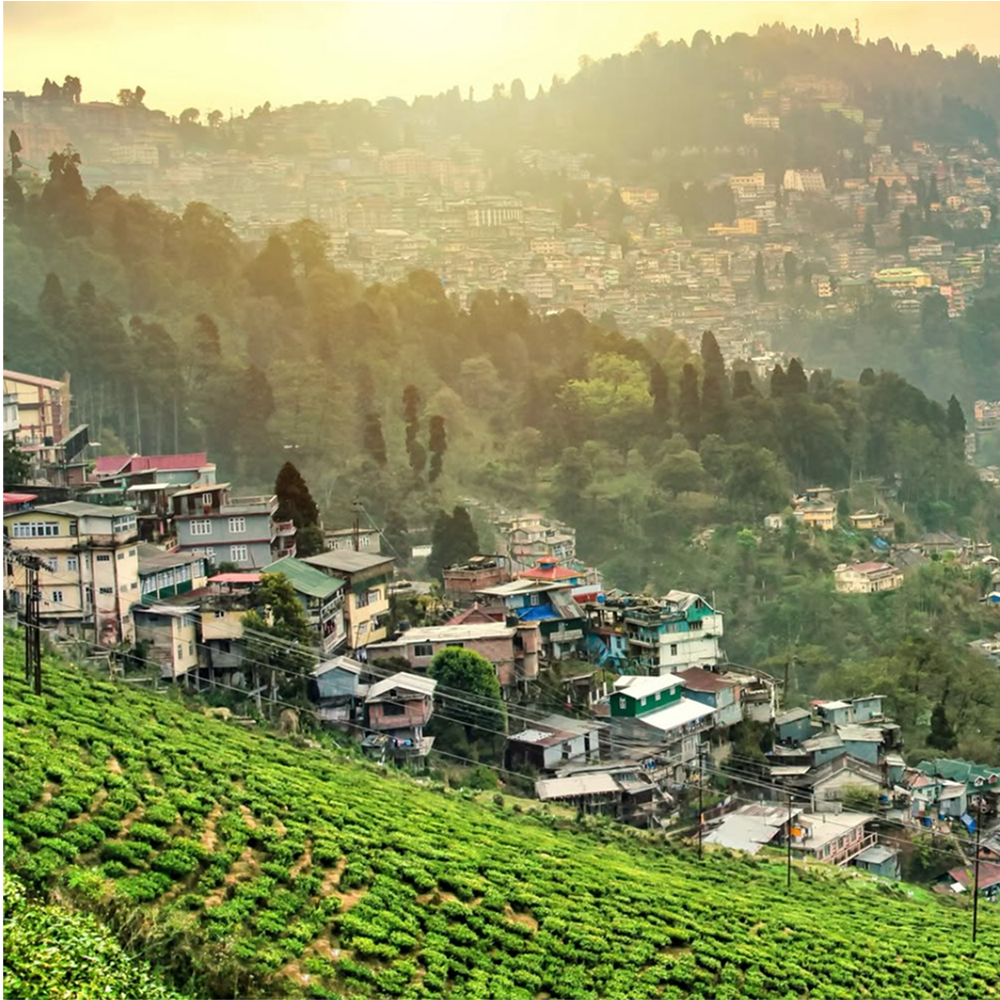
Green tea and matcha start in the same garden, but arrive in your cup in very different ways.
- Matcha: bold, rich, energising – a vivid, whole-leaf experience with a ceremonial soul and modern versatility.
- Green tea: light, calming, gentle – a clear infusion that invites you to slow down without stopping.
The most rewarding approach is not to choose between them, but to explore how each can support a different moment in your day.
Begin with a bowl of our Ceremonial Matcha, then contrast it with a pot of Sencha or another tea from our green tea and matcha collections. Somewhere between the two, you’ll find the ritual that feels like it was made for you.
Leave A Comment