Matcha might be a single word, but it contains worlds. At first glance, all matcha looks similar: a vivid, finely milled green powder from Japan. But look closer and you’ll discover there are distinct grades, each crafted for a very different purpose.
This guide explores the two most important: ceremonial matcha and culinary matcha. By the end, you’ll know how they differ in flavour, quality and use, and which one deserves a place in your next ritual or recipe.
If you’re new to matcha itself, you might like to start with our detailed guide to what matcha tea powder really is.
What is Ceremonial Grade Matcha?
Ceremonial grade matcha is matcha at its most refined – the style that has been at the heart of Japanese tea ceremonies for centuries.
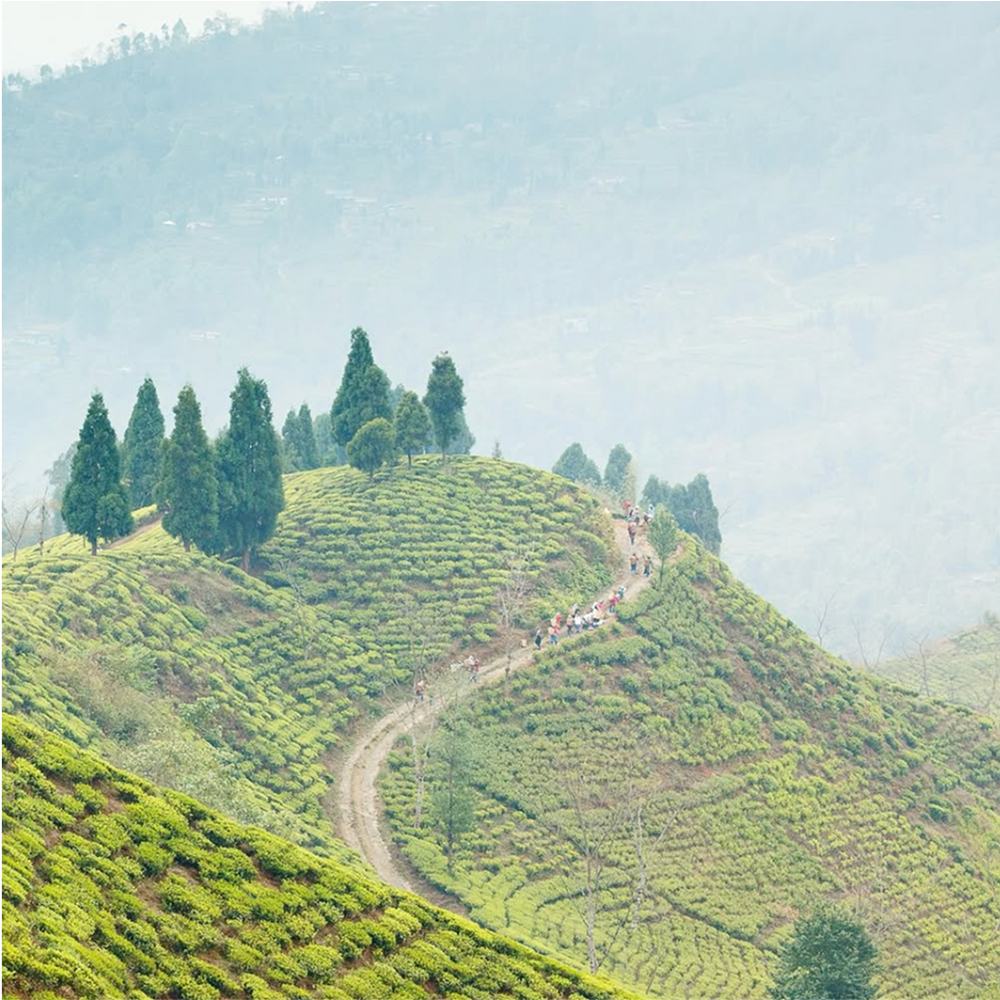
It begins in carefully managed gardens where tea bushes are shaded in the weeks before harvest. Limiting the light forces the plants to work harder, concentrating chlorophyll, L-theanine and amino acids in the youngest leaves. These tender top leaves are hand-picked in early spring, when the air is still cool and the plants are at their sweetest.
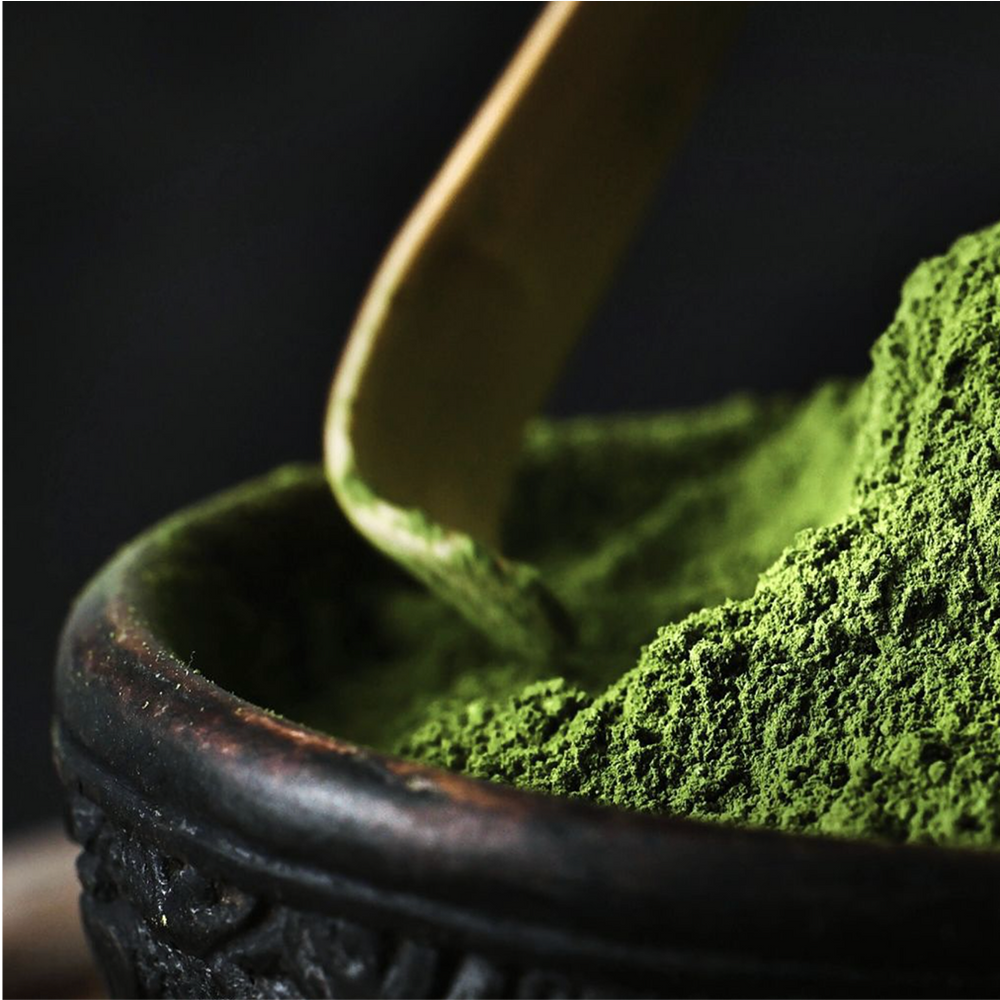
Once picked, they are gently steamed, dried and refined, before being stone-ground into a fine, talc-soft powder of a remarkably bright, luminous green. This is matcha intended to be enjoyed in its purest form: just powder and water, whisked to a smooth, frothy suspension and savoured slowly.
Because every step is so labour-intensive – and because only the very best leaf is used – ceremonial matcha is typically more expensive. But one sip of a truly great example, like our Ceremonial Matcha, and you’ll understand why.
What is Culinary Grade Matcha?
Culinary matcha is crafted with the kitchen in mind.
Instead of the youngest, most delicate leaves, it usually leans on slightly more mature leaf material and later harvests. These leaves develop a bolder, more robust flavour – a touch grassier, a little more astringent – that can cut through milk, sugar and other ingredients without disappearing.
It’s still made from powdered green tea leaves and still carries many of matcha’s core nutrients. But it is not designed to be the star of a traditional tea ceremony bowl. Instead, it shines in:
- Matcha lattes
- Smoothies and juices
- Cakes, biscuits and pastries
- Ice creams and desserts
Because it uses more abundant leaf material, culinary matcha is more accessible in price, and often sold in larger quantities – perfect for generous spoonfuls in recipes, or for those just beginning to play with matcha in the kitchen.
What is the Difference Between Culinary and Ceremonial Matcha?
Think of ceremonial and culinary matcha less as “good” and “bad” and more as “soloist” and “ensemble”. Both have their place; they just perform differently.
Grade and Use
Ceremonial matcha is a premium grade, crafted for drinking neat. It’s made for quiet rituals: a bowl whisked before a morning meeting, an afternoon pause, or a moment of stillness before the day begins in earnest.
Culinary matcha is a practical, functional grade. Here, matcha is an ingredient rather than the main event – one voice in a chorus of flavours. It’s the matcha you bake with, blitz into smoothies or swirl into ice cream.
Flavour Profile
When prepared well, ceremonial matcha is naturally sweet and remarkably smooth. Expect layers of umami, soft vegetal notes, and a lingering finish without harsh bitterness. If you’ve ever wondered what matcha should taste like, this is where to find out – our guide to what matcha tastes like is a good place to start.
Culinary matcha is intentionally more assertive. It can be:
- Grassy
- Slightly astringent
- More tannic and bold
Those qualities are an advantage in recipes, where they help the matcha hold its own against fats, sugars and other strong flavours.
Colour and Texture
A quick visual test tells you a lot:
- Ceremonial matcha: A vivid, emerald green with a satin-like, ultra-fine texture. When you pinch it between your fingers, it should feel almost like silk or talc.
- Culinary matcha: Often a softer, olive or duller green. The powder may be a touch coarser, reflecting the different leaf material and shading practices.
Harvest and Leaves
- Ceremonial matcha: Typically from the first harvest (Ichibancha) in early spring, and made using only the youngest, shade-grown top leaves. This is where sweetness, umami and tenderness live.
- Culinary matcha: May include second or third harvests and a broader mix of leaf parts for strength and structure – ideal for cooking, less so for a perfectly balanced ceremonial bowl.
When to Choose Ceremonial Grade Matcha
Choose ceremonial matcha when you want matcha to be the experience, not just a flavour.
It’s the right choice when:
- You’re drinking matcha simply whisked with water, without milk or sweeteners.
- You enjoy the idea of a daily ritual: kettle, bowl, whisk, three focused minutes.
- You’re gifting a tea lover something special and timeless.
- You value clarity of flavour and traditional craftsmanship above all.
If you’ve tried matcha before and found it bitter or flat, it’s worth revisiting with a truly great ceremonial grade. To taste JING is to realise you may never really have tasted tea – or matcha – before. Explore our Ceremonial Matcha or dive into our full matcha tea collection to discover what’s possible.
When to Choose Culinary Grade Matcha
Culinary grade matcha is your ally in the kitchen.
Reach for it when:
- You’re making matcha lattes with milk or plant-based alternatives.
- You love baking and want to experiment with matcha sponge, biscuits or cheesecake.
- You’re blending smoothies and want a green tea lift with fruit, yoghurt or nut butters.
- You want the benefits and flavour of matcha in everyday recipes without using premium ceremonial powder.
If your curiosity is more “matcha tiramisu” than “tea ceremony tatami mat”, culinary matcha will give you the freedom to experiment without worrying about waste.
What are the Benefits of Ceremonial Grade Matcha?
Both ceremonial and culinary matcha share a common ancestry, but ceremonial grade – when grown and processed traditionally – tends to express the leaf’s potential most fully.
Superior Quality
- Shade-growing for longer enhances chlorophyll and amino acids.
- Hand-picking ensures only the most tender top leaves are used.
- Slow stone-grinding protects delicate aromas and nutrients from heat.
The result is not just better flavour, but a more complete expression of the leaf.
Nutrient Dense
Because you consume the whole leaf rather than an infusion, ceremonial matcha is naturally rich in:
- L-theanine – the amino acid associated with calm focus.
- Caffeine – in a form that’s gently released, rather than spiking and crashing.
- Chlorophyll and a spectrum of other plant compounds.
Rich in Antioxidants
Matcha is renowned for its high levels of catechins, particularly EGCG (epigallocatechin gallate). These antioxidants help to neutralise free radicals and support long-term wellbeing – one of the reasons matcha is so prized in modern wellness circles.
Ideal for Mindful Sipping
Ceremonial preparation is intentionally slow: measuring, sifting, whisking, watching the surface of the bowl come alive with tiny bubbles. This alone can transform a rushed morning into a considered ritual – a few moments of quiet before the rest of the day begins.
What are the Benefits of Culinary Grade Matcha?
Culinary matcha brings matcha’s character to a wider canvas.
Ideal for Cooking and Baking
Because it’s more robust, culinary matcha:
- Retains its flavour through heat and mixing.
- Adds a naturally vibrant green hue to desserts and dishes.
- Infuses bakes, creams and drinks with a recognisable green tea note.
Cost-Effective
Culinary matcha is more affordable than ceremonial, which makes it:
- Practical for daily use.
- Ideal for trial and error in the kitchen.
- A good option for cafés and home cooks experimenting with matcha menus.
Versatile
From breakfast to dessert, culinary matcha is easy to use:
- Blend into smoothies or juices.
- Stir into porridge or yoghurt.
- Whisk with warm milk and a touch of honey for a cosy matcha latte.
High in Chlorophyll
Even as a lower grade, culinary matcha still delivers many of the nutritional advantages of powdered tea:
- You’re consuming the leaf, not just an infusion.
- Chlorophyll and other plant compounds remain present, especially if the leaves have been properly shade-grown.
In Summary
Ceremonial and culinary matcha are siblings, not rivals.
- Ceremonial matcha: high-quality, bright green and silky, with a delicate, umami-rich flavour made for drinking neat. It’s for rituals, gifts, and those who want to experience matcha at its most expressive.
- Culinary matcha: bold, practical and versatile, created to shine in lattes, desserts and recipes where matcha shares the stage.
Both have value. Both can play a part in a modern, mindful lifestyle – one in the bowl, one in the kitchen.
To understand which suits you, the most rewarding route is simple: try both. Begin with a pure bowl of Ceremonial Matcha, then explore the rest of our matcha collection for inspiration – from traditional bowls to creative, culinary adventures.