Good green tea is fresh, vegetal and gently sweet. Depending on the tea and where it comes from, it can lean nutty, marine, floral or toasty. If that sounds nothing like the cup you tried before, you are probably not alone: many people's first experience of green tea was bitter, flat and slightly medicinal. This guide explains why that happens and what green tea actually tastes like when it is made well.
Explore JING's loose leaf green tea collection to find a starting point for your own tasting.
What does green tea taste like?
The core character of green tea is freshness. Unlike black tea, where the leaves are fully oxidised after picking, green tea leaves are heated very soon after harvest, which stops the oxidation process entirely and locks in the fresh, plant-like character of the leaf. This is why green tea tastes so different from a black tea: where black tea is warm, malty and full-bodied, green tea is light, clean and alive with a delicate sweetness that lingers on the finish.
That said, "green tea" covers an enormous range of flavour. A Japanese sencha and a Chinese Dragon Well are both green teas, but they taste quite unlike each other. The common threads are freshness, a gentle natural sweetness and a light body, but within those, the differences are significant. Understanding what causes them is the key to finding the green tea that suits your palate.
The key flavour notes in green tea taste
Grassy: a fresh, cut-grass quality most noticeable in Japanese green teas like sencha. It is vivid and clean rather than earthy.
Vegetal: a broader, leafy-green quality that gives green tea its unmistakably plant-like character. More muted than grassiness.
Nutty: a warm, roasted chestnut or hazelnut note, common in Chinese pan-fired greens like Dragon Well and Genmaicha.
Marine or oceanic: a subtle seaweed-like quality found especially in shade-grown Japanese teas like gyokuro. Pleasant and savoury rather than fishy.
Umami: a savoury, mouth-coating depth associated with L-theanine content, most concentrated in gyokuro and high-grade sencha.
Floral: a light, jasmine or orchid note in scented teas and some Chinese greens, adding sweetness without heaviness.
Sweet: not sugar-sweet but a clean, lingering natural sweetness on the finish that good green tea always carries.
Astringent: a light drying sensation on the sides of the mouth. In well-made green tea it is gentle; in over-infused green tea it tips into harsh bitterness.
How green tea should feel in the mouth
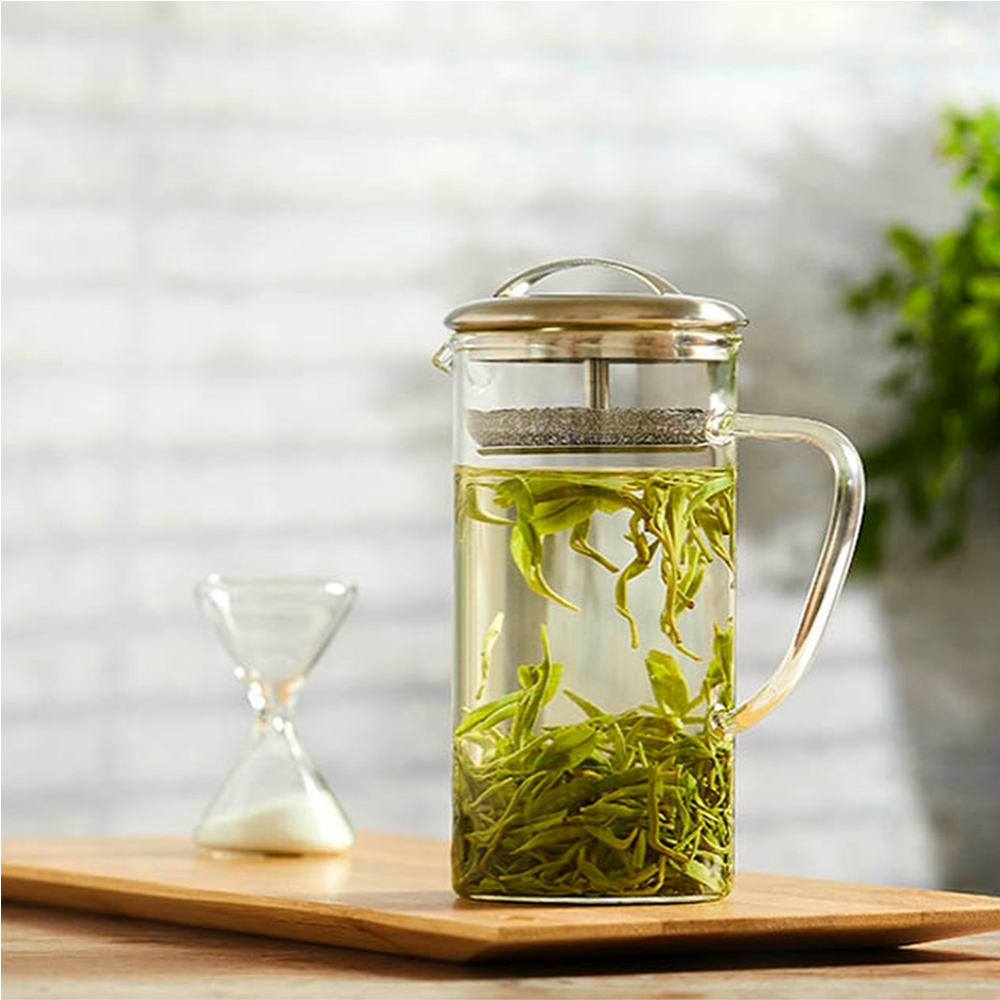
Well-made green tea has a light to medium body and a clean, open quality in the mouth. There is a gentle astringency, which means a slight drying sensation on the tongue and the insides of the cheeks, but it should feel refreshing rather than uncomfortable. The finish is the most revealing part: good green tea leaves a lingering sweetness and sometimes a floral or savoury note that stays for a minute or more after drinking.
Bitterness is different from astringency. Harsh, drying bitterness that makes you wince is almost always the result of something going wrong in preparation, not a natural quality of the tea. A good green tea should never taste punishing.
Japanese green tea vs Chinese green tea: why they taste different
The single biggest reason Japanese and Chinese green teas taste different is processing. Japanese green tea is almost always steamed immediately after picking, which halts oxidation quickly and preserves the bright, fresh, marine and vegetal qualities of the leaf. Chinese green tea is usually pan-fired in a wok or drum, which also stops oxidation but adds a warm, toasty, nutty character that steaming does not.
Terroir, cultivar and harvest season all add further complexity. Spring-picked teas from both countries tend to be sweeter and more delicate than later harvests, since the young buds carry more sugars and amino acids than mature leaves. The cultivar, essentially the variety of the Camellia sinensis plant, also shapes the flavour in the same way that different grape varieties produce different wines from the same vineyard.
What does Chinese green tea taste like?
Chinese green tea is typically nutty, toasty and mellow, with a smooth body and very little of the grassiness associated with Japanese green tea. The pan-firing process creates warm, chestnut-like flavours that feel more familiar to many Western drinkers who are new to green tea.
Dragon Well, or Longjing, is the best-known example: flat pressed leaves that produce a smooth, lightly sweet cup with a distinctive buttery warmth. Our guide to what makes Dragon Well special covers its character and origin in more depth. Jade Sword is a gentler Chinese green, naturally sweet and low in bitterness, and a reliable first tea for anyone new to the style.
What does Japanese green tea taste like?
Japanese green tea is grassy, fresh and full of umami. The steaming process keeps the colour vivid and the flavour bright, with a slight marine or oceanic quality that distinguishes it from Chinese greens. For many people it is an acquired taste, but once you are familiar with it, the savoury depth is genuinely addictive.
Sencha is the everyday reference point: bright, grassy and refreshing, with a clean savoury edge. Gyokuro goes much further, with weeks of shade-growing concentrating the umami and sweetness to a degree unlike any other tea. The grassiness that some people find challenging in sencha is almost entirely absent in gyokuro, replaced by a deep, rich sweetness.
A taste guide to different types of green tea
Every green tea in the JING range has its own distinct character. Here is a short tasting guide to help you find your way.
Sencha
Bright, grassy and refreshing, with a clean savoury edge and a vivid, slightly marine finish. The quintessential Japanese green tea, and the standard against which others are judged. Japanese sencha green tea — infuse at 70°C for 1 minute.
Gyokuro
Sweet, deeply umami and smooth, with almost no grassiness. Shade-growing concentrates L-theanine in the leaf, which gives it a rich, savoury sweetness unlike any other green tea. A rewarding next step for anyone who has fallen for sencha. Gyokuro green tea — infuse at 60 to 70°C for 90 seconds.
Genmaicha
Green tea blended with toasted rice, giving a warm, nutty and savoury flavour that feels closer to a comforting everyday drink than a typical green tea. The toasted rice substantially softens any grassiness and makes Genmaicha one of the most approachable first green teas. Genmaicha green tea — infuse at 80°C for 2 minutes.
Dragon Well
Sweet chestnut flavour with a smooth, buttery body and very little astringency. The flat, pressed leaves release flavour gently, making Dragon Well one of the most forgiving Chinese greens for beginners. Dragon Well Chinese green tea — infuse at 80°C for 2 minutes.
Jasmine green tea
Green tea scented with fresh jasmine blossoms using the traditional layering method, so the floral character is absorbed into the leaf itself rather than sprayed on. The result is naturally sweet and fragrant, with almost no grassiness. A genuinely easy introduction for anyone nervous about pure green tea. Jasmine Pearls tea — infuse at 80°C for 2 to 3 minutes. For the full story behind jasmine scenting, our guide to jasmine tea covers the craft in detail.
Matcha
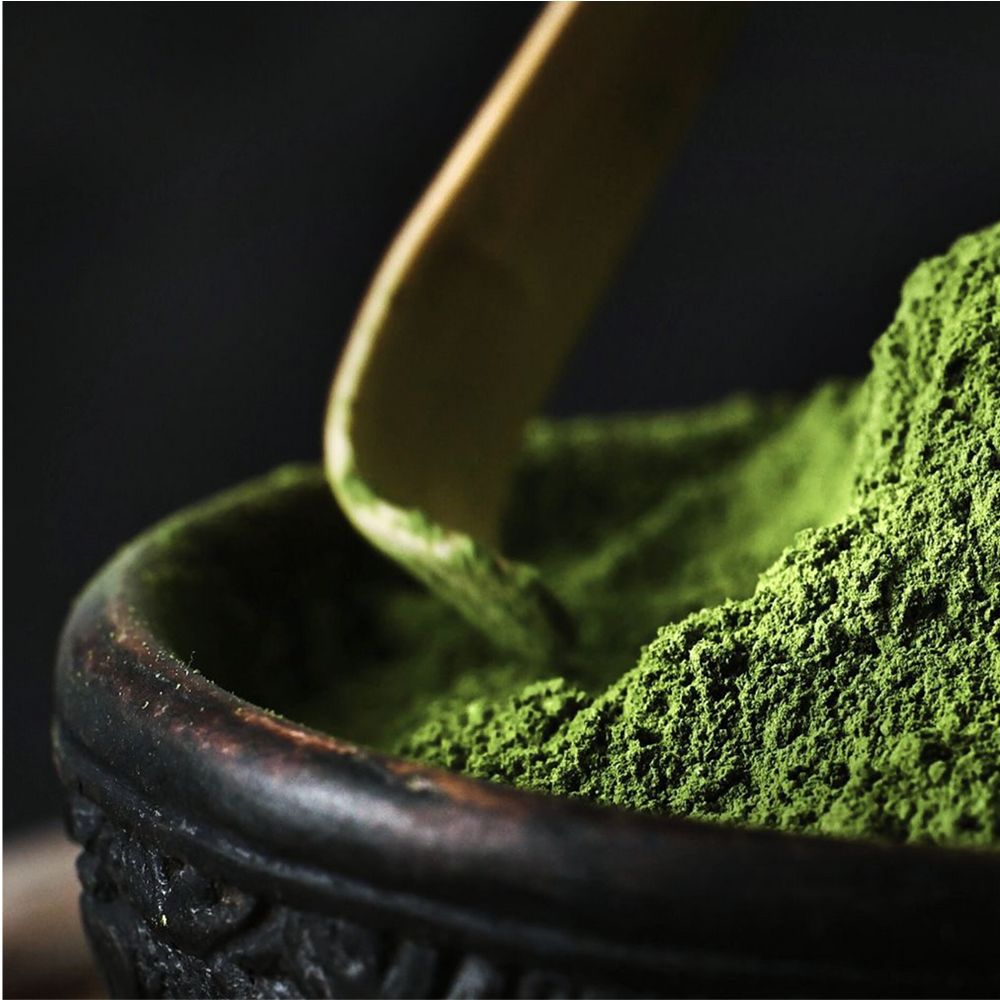
Matcha is the whole leaf ground into a fine powder, which means the flavour is richer and more intense than any steeped green tea: creamy, umami-forward and full, with a natural sweetness and a long finish. What matcha tastes like and how it compares to steeped green tea are covered in depth in their own guides. See also: green tea vs matcha.
Why is my green tea bitter?
Bitterness in green tea has three common causes, and all of them are fixable.
Water that is too hot is the most frequent culprit. Boiling water draws out catechins from the leaf rapidly, and at high concentrations these produce a harsh, drying bitterness. Green tea needs cooler water than black tea: 70 to 80°C rather than 95 to 100°C.
An infusion that runs too long compounds the problem. Green tea extracts quickly, and leaving the leaves in the water for five minutes does not produce a stronger or better cup; it produces a more bitter one. One to two minutes is usually enough.
Low-grade leaf is the third factor. Most tea bags use broken leaf, fannings or dust, which releases bitter compounds very quickly because the surface area is so much larger than a whole leaf. Even with perfect water temperature and timing, the starting material limits what you can achieve.
Stale or poorly stored tea also loses its natural sweetness, leaving only the astringency behind. For guidance on what to look for, our guide to how to know whether your tea is fresh covers the signs clearly.
Loose leaf green tea vs tea bags
Whole leaves release their flavour slowly and evenly, allowing the natural sweetness to come forward before the astringent compounds. Broken leaf and fannings release everything at once, which is why a tea bag in boiling water produces a bitter cup almost immediately. The upgrade from a supermarket tea bag to a well-sourced loose leaf green tea makes a more significant difference to the taste than almost any other change you can make.
Explore JING's loose leaf green tea collection and our guide to choosing quality loose leaf tea for a practical starting point.
How to avoid bitter green tea
Use water at around 70 to 80°C, which means leaving a freshly boiled kettle to cool for two to three minutes before pouring. Keep infusions short: one to two minutes for most green teas, and remove the leaves as soon as time is up rather than leaving them in the cup. Use around one teaspoon of loose leaf per 200ml of water. Fresh, filtered water makes a noticeable difference, particularly in hard water areas where mineral content can flatten the flavour.
The good news is that good loose leaf green tea can be infused two or three times from the same leaves, each time revealing something slightly different. Our guide to infusing green tea covers the full method.
Finding the best tasting green tea for your palate
The best tasting green tea is not a single answer. It depends entirely on which flavours you enjoy, and the range within green tea is wide enough that almost everyone finds a version they like once they have tried a few.
A quick matching guide: if you enjoy nutty, warm and approachable flavours, Dragon Well or Genmaicha are the right starting points. If you are drawn to sweet, savoury depth, Gyokuro is worth the effort. If you want something fresh and vivid, a well-prepared Sencha is the classic Japanese answer. If you are nervous about grassiness, Jasmine Pearls sidesteps it entirely with their floral sweetness.
The most useful exercise is to try a Chinese green and a Japanese green side by side: the contrast between Dragon Well's warmth and Sencha's brightness makes it immediately clear which direction suits you better, and guides every green tea decision from there.
Discover JING's loose leaf green tea
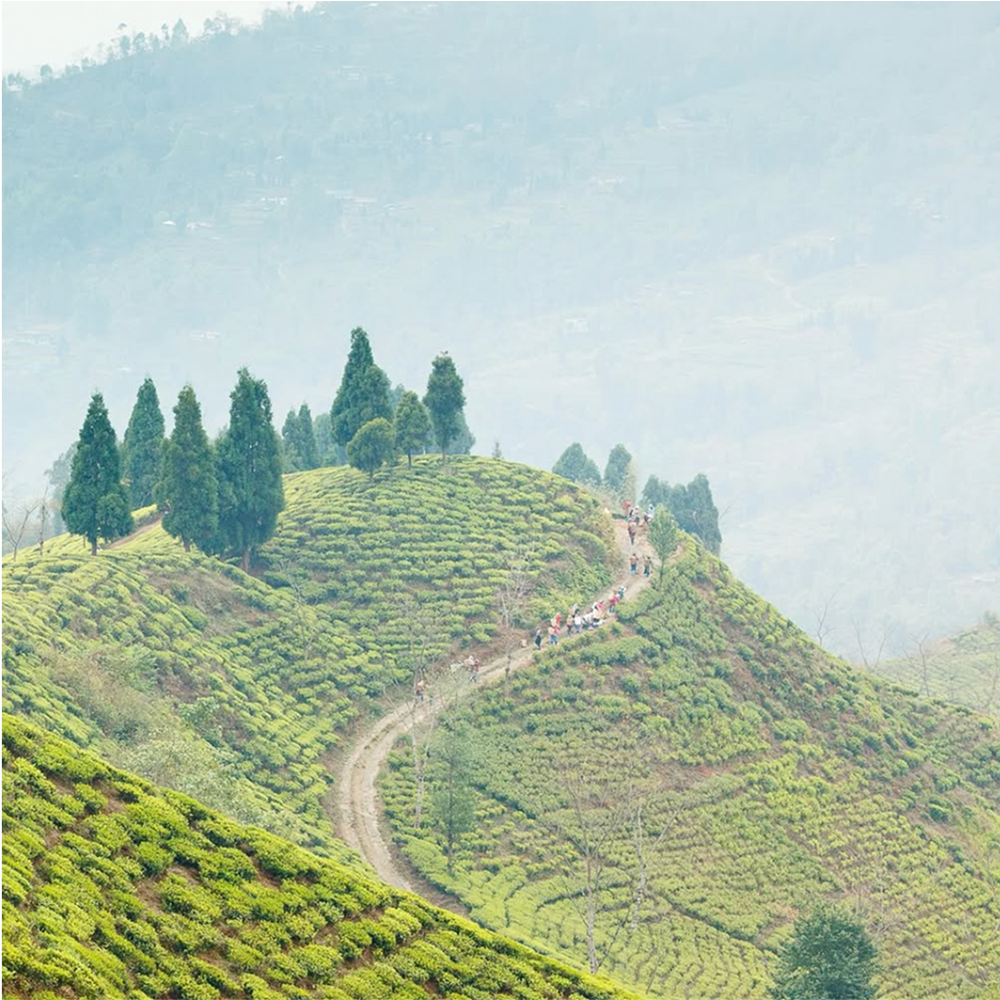
JING sources green tea from single gardens in China and Japan, which means every tea has a traceable origin, a named garden and a distinct character. This is what makes the difference between a tea that tastes like a category and one that tastes like a specific place.
Explore JING's loose leaf green tea collection to find your flavour profile.
Frequently asked questions
Is green tea supposed to taste bitter?
No. Good green tea tastes fresh, lightly sweet and clean, with only a gentle astringency. Strong bitterness almost always comes from water that is too hot, an infusion that ran too long, or low-quality leaf. With the right temperature, timing and leaf, green tea should never be harsh.
Does green tea taste like grass?
Some green teas, particularly Japanese styles like sencha, have a fresh cut-grass note that is part of their character. Others taste nutty, floral or toasty, with no grassiness at all. If you have tried a Japanese green tea and found the grassiness too much, a Chinese green tea like Dragon Well or Genmaicha is a very different experience.
What is the best tasting green tea for beginners?
Genmaicha and Jade Sword are the most approachable starting points. Their nutty, mellow flavours are forgiving, rarely bitter, and familiar enough to feel comfortable. Jasmine Pearls are ideal for anyone nervous about grassiness: the jasmine scenting softens the green tea's character into something naturally sweet and floral.
Does Chinese green tea taste different to Japanese green tea?
Yes, and noticeably so. Chinese green tea is usually pan-fired, which gives it a toasty, nutty warmth with a smooth body and very little astringency. Japanese green tea is usually steamed, keeping the flavour bright, fresh and vegetal, with a marine and savoury edge. Both are green tea, but they taste quite unlike each other.
Does loose leaf green tea taste better than tea bags?
Generally, yes. Whole leaves release flavour more slowly and evenly than the broken leaf in most tea bags, which means the natural sweetness comes forward before the bitter compounds. The same leaf prepared from a bag and from loose leaf will taste noticeably different, with the loose leaf version being smoother and more complex.