Matcha Latte vs Traditional Matcha: Taste & Texture Compared
Matcha has found two very different homes in our daily lives.
On one side is traditional matcha – a bowl of finely whisked tea, just powder and water, steeped in centuries of Japanese tea culture. On the other is the matcha latte – a modern, creamy drink that has taken cafés and home kitchens by storm.
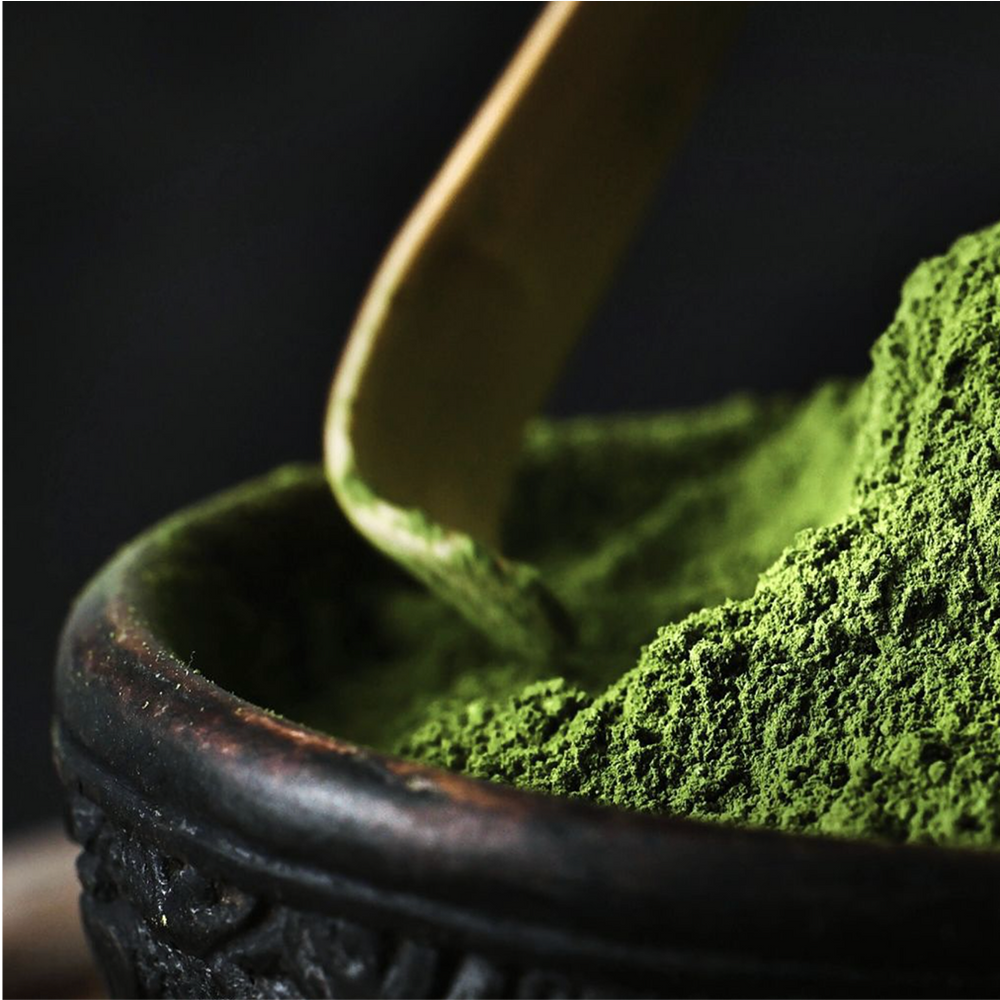
Both begin with the same vivid green powder. Yet in the cup, they can feel worlds apart.
In this guide, we’ll compare matcha lattes and traditional matcha across flavour, caffeine, texture and preparation so you can find the style that fits your taste, lifestyle and mood. If you’d like to learn more about the craft behind the powder itself, you can also read how matcha is made or explore ceremonial vs culinary matcha.
What is the Difference Between Matcha and a Matcha Latte?
At heart, the difference is simple:
- Traditional matcha is made by whisking matcha powder with hot water.
- A matcha latte combines matcha powder with milk – steamed, frothed or cold – and often a touch of sweetness.
That single addition of milk (dairy or plant-based) changes almost everything:
- The drink shifts from a pure tea to a contemporary “speciality” beverage.
- The flavour softens and becomes more dessert-like.
- The texture becomes thicker, creamier and more indulgent.
Culturally, too, they occupy different spaces. Traditional matcha connects you to the quiet focus and rituals of the Japanese tea ceremony. A matcha latte feels more like a modern café moment – still grounded in matcha’s benefits and flavour, but designed to be comforting, accessible and easily customised.
Both start with matcha powder. Which one you’ll prefer depends on how you like to drink it.
Matcha Flavour Profile
Matcha is different from any other tea because you consume the whole leaf. That gives it a distinctive flavour profile before any milk or sugar enters the picture:
- Umami: A deep savouriness that sits alongside sweetness.
- Vegetal notes: Think steamed greens, baby spinach or blanched herbs.
- Sweetness and subtle bitterness: Balanced differently depending on grade and origin.
The grade of matcha you use – ceremonial vs culinary – also has a significant impact on flavour in both traditional matcha and lattes. Ceremonial matcha, like our Ceremonial Matcha, is smoother, sweeter and more nuanced. Culinary matcha is bolder and more robust, designed to cut through milk and sugar.
For a deeper dive into flavour specifics, see our guide to what matcha tastes like.
Traditional Matcha Flavour
In its purest form – just powder and water – traditional matcha is intense and layered.
You can expect:
- Umami richness: One of the hallmarks of high-quality ceremonial matcha.
- Gentle sweetness: Particularly from first-harvest, shade-grown leaves.
- Subtle bitterness: Present, but integrated and pleasant rather than harsh when infused correctly.
Because there is no milk or sweetener, all the nuances of the tea are on display:
- Origin
- Shading
- Harvest timing
- Craftsmanship in milling
This is the best way to truly understand a specific matcha. Every small change in temperature, whisking and dosage becomes part of the experience.
Matcha Latte Flavour
Add milk, and the same powder takes on a completely different character.
A matcha latte:
- Softens bitterness: Proteins and fats in milk round off sharper edges in the matcha.
- Feels creamier and sweeter: Even unsweetened milk introduces a natural sweetness and body; many people also add honey or syrups for a dessert-like drink.
- Invites new flavours: Oat milk can add biscuit-like notes, almond milk can bring nuttiness, and dairy milk offers classic creaminess.
The matcha in a latte becomes a flavour partner rather than the lone star – giving a green, slightly toasty, savoury-sweet character to an otherwise milk-forward drink. If you’re curious, our Matcha Latte is crafted to deliver that harmony effortlessly at home.
Matcha Caffeine Content
Both traditional matcha and matcha lattes start with the same core ingredient, so they share matcha’s signature caffeine profile: a gentle yet noticeable lift backed by L-theanine, which supports calm focus.
The total caffeine in your cup depends on:
- How much matcha powder you use.
- The grade of matcha.
- The volume of the final drink.
How Much Caffeine is in Traditional Matcha?
A standard bowl of traditional thin matcha (usucha) uses around 1–2g of matcha powder, giving roughly:
- 60–70mg of caffeine per serving, on average.
In comparison:
- A typical cup of black tea might contain 40–60mg.
- A standard cup of coffee often ranges from 80–120mg or more.
There’s no milk to dilute the flavour or volume, so the caffeine is delivered in a relatively small, concentrated bowl. Yet many people find it feels gentler than coffee thanks to matcha’s abundant L-theanine – something we explore further in the benefits of matcha.
How Much Caffeine in a Matcha Latte?
A matcha latte might be served in an 8–12oz cup, but the caffeine depends on the amount of matcha, not the milk.
In many recipes:
- A single matcha latte uses a similar 1–2g dose of powder as a traditional bowl, meaning roughly 60–70mg of caffeine.
- Some café-style lattes may use more powder for larger cups or double “shots”, increasing caffeine accordingly.
Because milk increases the total volume, some people assume a latte contains more caffeine. In reality, if the matcha dose is the same, the caffeine is simply spread out across more liquid.
Milk’s proteins and fats can also slow digestion slightly, which may make the energy feel even softer and more gradual. For more on how matcha’s caffeine compares to other drinks, see our guide to matcha caffeine content.
Matcha Texture
Texture is one of the most striking differences between traditional matcha and a matcha latte.
- Traditional matcha: Thin, silky and light, with a fine micro-foam on the surface. It should feel smooth on the palate, like a delicate broth or a very light sauce.
- Matcha latte: Thicker, creamier and heavier. The body and froth come primarily from steamed or frothed milk, giving a cappuccino-like richness.
Both should be free from gritty clumps. Proper sifting and whisking are crucial, whether you’re making a bowl in a chawan or building a latte in your favourite mug.
Preparing Matcha
The way you prepare each drink reflects a different philosophy:
- Traditional matcha preparation is slow, deliberate and ritualistic – a few minutes of focus amid the day.
- Matcha lattes are more adaptable – they can be made slowly, savoured, or shaken together on a busy morning for an on-the-go treat.
In both cases, water temperature matters: aim for around 70–80°C. Hotter water can scorch the powder and accentuate bitterness.
How to Make Matcha Tea
The traditional method uses a few simple tools: a tea bowl (chawan), a bamboo whisk (chasen) and a spoon or scoop.
- Warm the bowl: Pour in hot water, swirl, then discard.
- Sift the matcha: Add 1–2g of matcha through a fine sieve into the warm, dry bowl to remove clumps.
- Add water: Pour in a small amount (around 60–80ml) of hot water at 70–80°C.
- Whisk: Using the chasen, whisk briskly in a “W” or “M” motion rather than circles. You’re aiming for a smooth, even suspension with a fine layer of foam on top.
- Savour: Drink directly from the bowl in small, attentive sips.
The process is as much part of the experience as the taste itself.
How to Make a Matcha Latte
A matcha latte adds a few more steps – mainly involving milk.
-
Make a matcha “shot”:
- Sift 1–2g of matcha into a cup.
- Add a little hot water (around 30–50ml at 70–80°C).
- Whisk or stir until you have a smooth, lump-free base.
-
Froth the milk:
- Heat your preferred milk (dairy, oat, almond, etc.) until just below boiling.
- Froth using a steam wand, electric frother or handheld whisk.
-
Combine:
- Pour the frothed milk over the matcha shot, holding back the foam, then spoon the remaining foam on top.
- Add sweetener if desired.
For an even easier route to a café-style drink at home, our Matcha Latte blend is designed to whisk seamlessly into hot or cold milk.
Matcha and Matcha Lattes from JING Tea
Whether you’re drawn to the stillness of a traditional bowl or the comfort of a creamy latte, the quality of your matcha makes all the difference.
At JING, we select shade-grown, stone-ground matcha from expert Japanese producers – powders that taste as vivid as they look, and that work beautifully in both traditional and modern serves.
- Choose our Ceremonial Matcha when you want to experience matcha in its purest, most nuanced form.
- Reach for our Matcha Latte when you’re craving a smooth, café-style drink at home.
- Discover more about how each option is crafted in how matcha is made and how it compares with other teas and coffees in the truth about tea caffeine and our wider matcha articles.
Both traditional matcha and matcha lattes can have a place in your day. One offers a moment of ritual; the other, a modern comfort. The constant is the leaf – and how well it’s been grown, crafted and chosen.